
Edinburgh feels old, in the best possible way.
Arriving at Edinburgh Airport on a rainy October evening, I wasn't sure what to expect. Having done some online research ahead of time, I knew there would be old buildings, a large castle in the center of the city, and plenty of historical sites, but Google Maps and Wikipedia are a far cry from experiencing the reality of a city. The late-night taxi ride to the hotel didn't offer much additional insight.
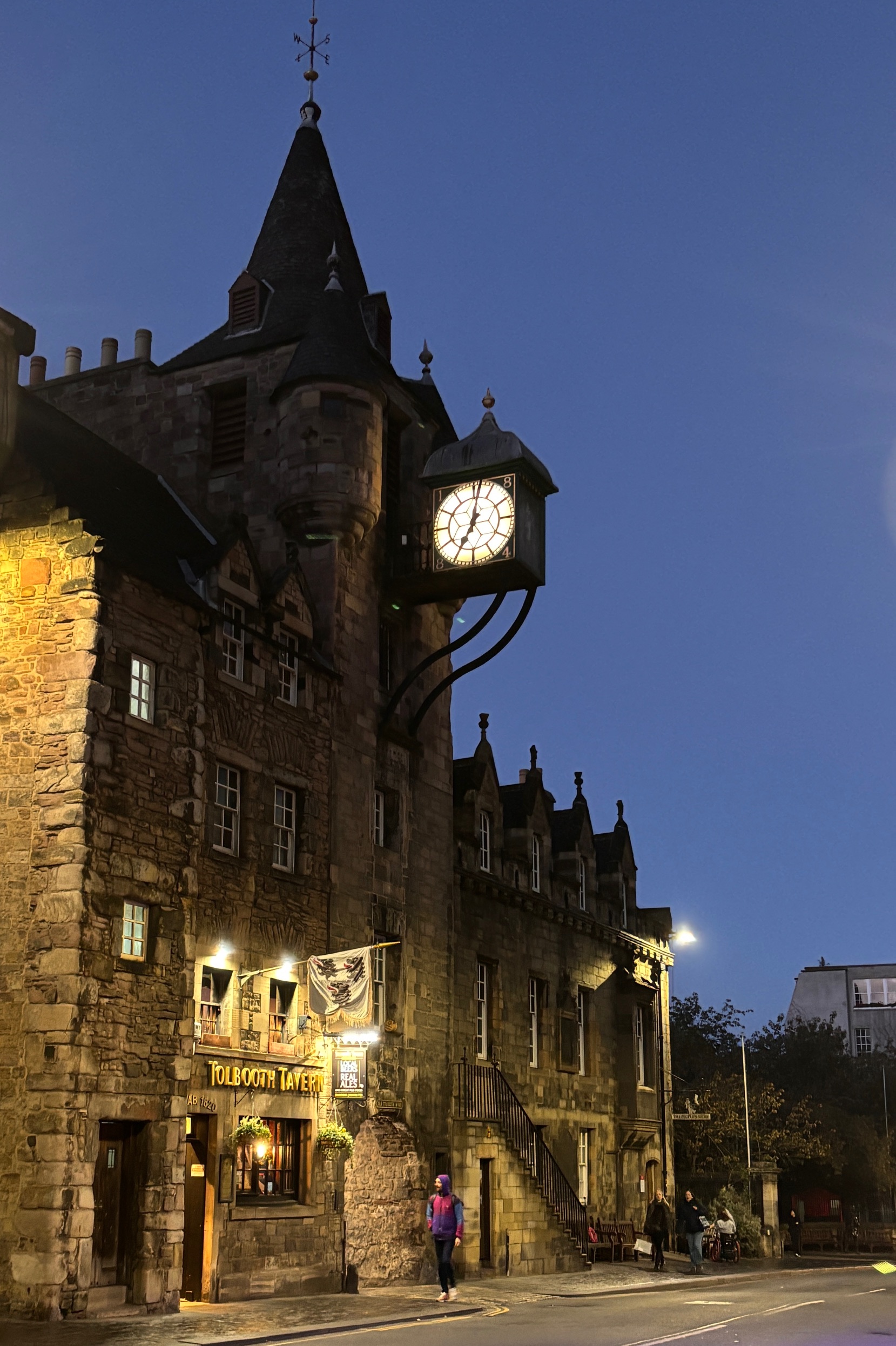
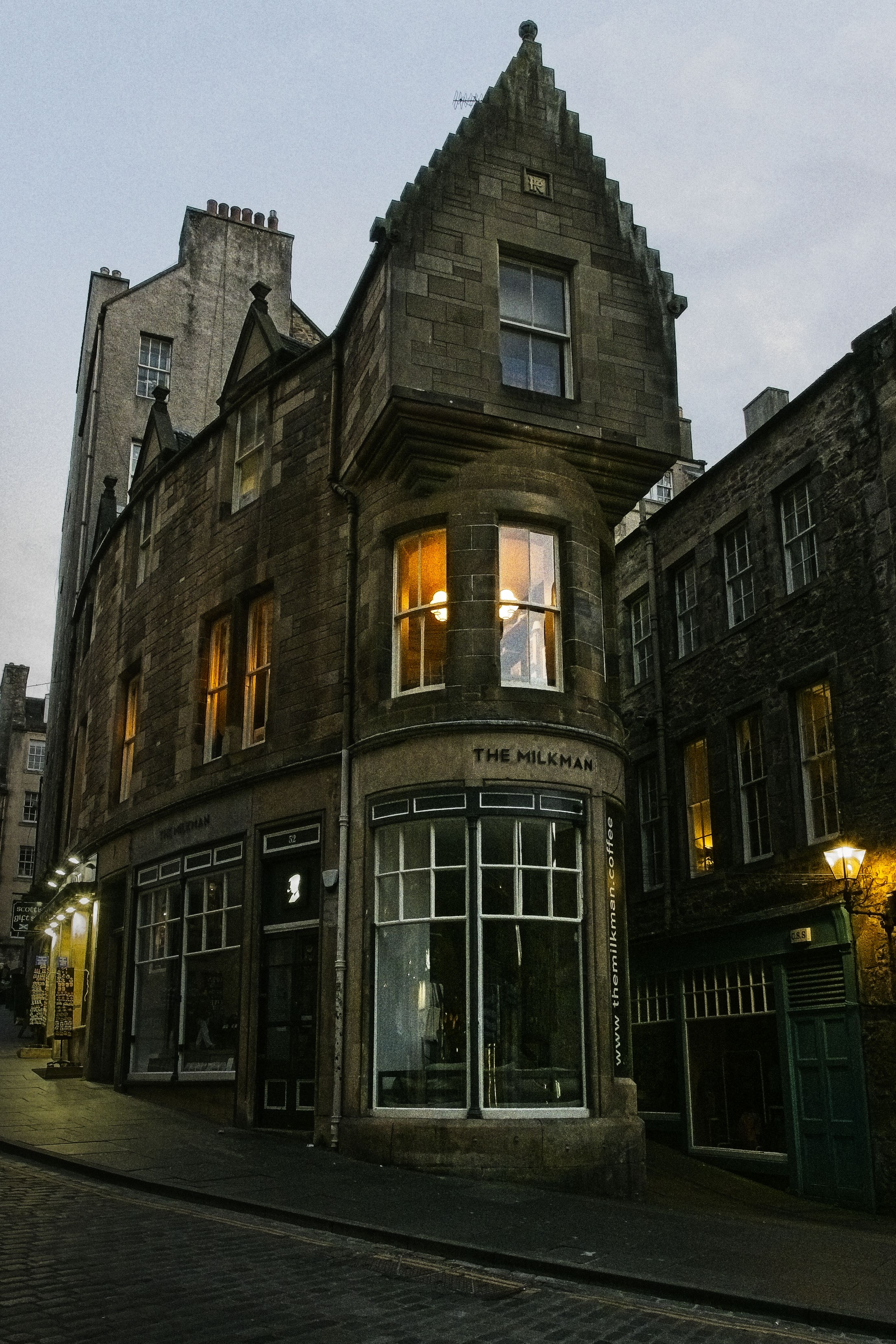
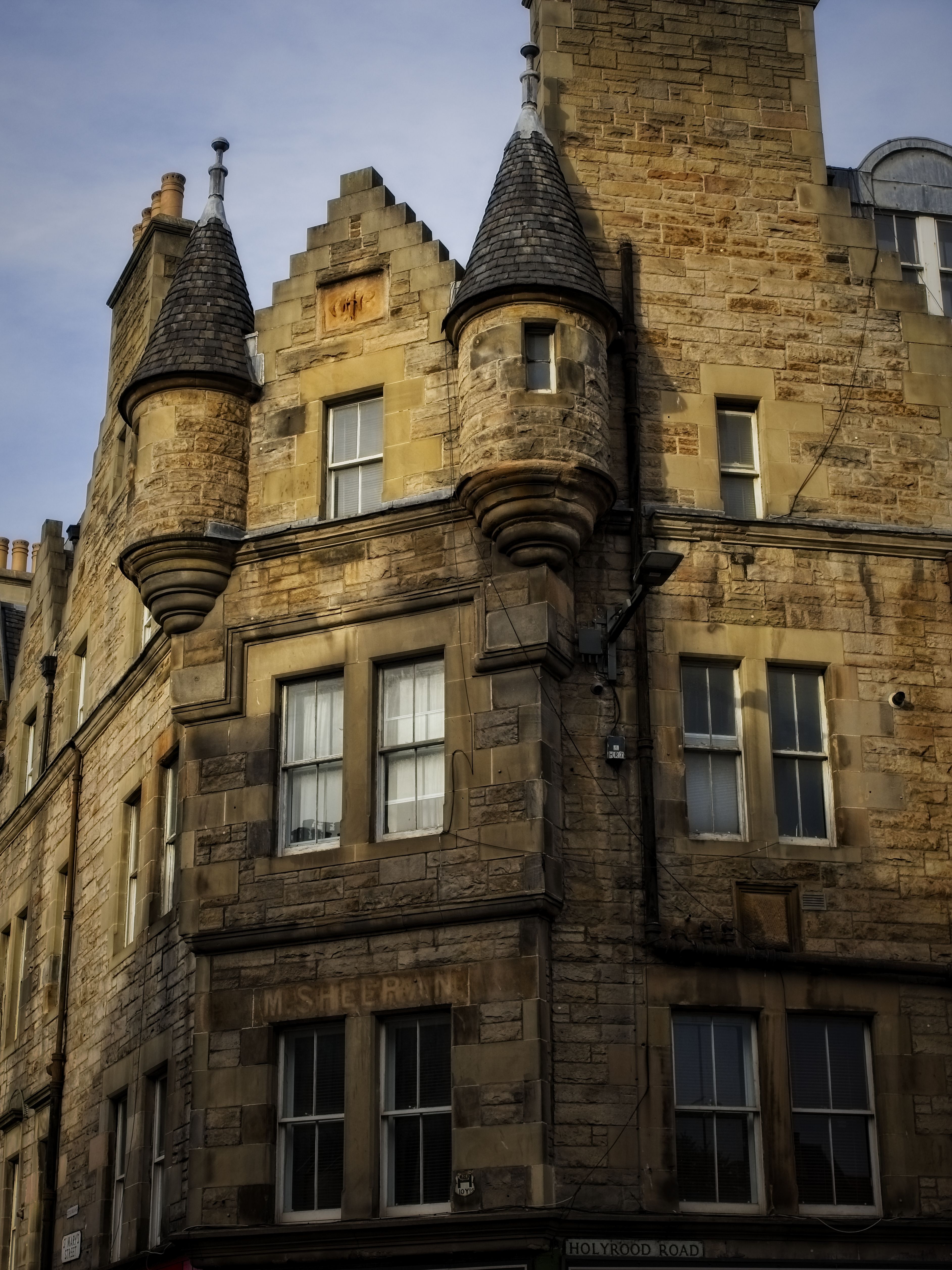
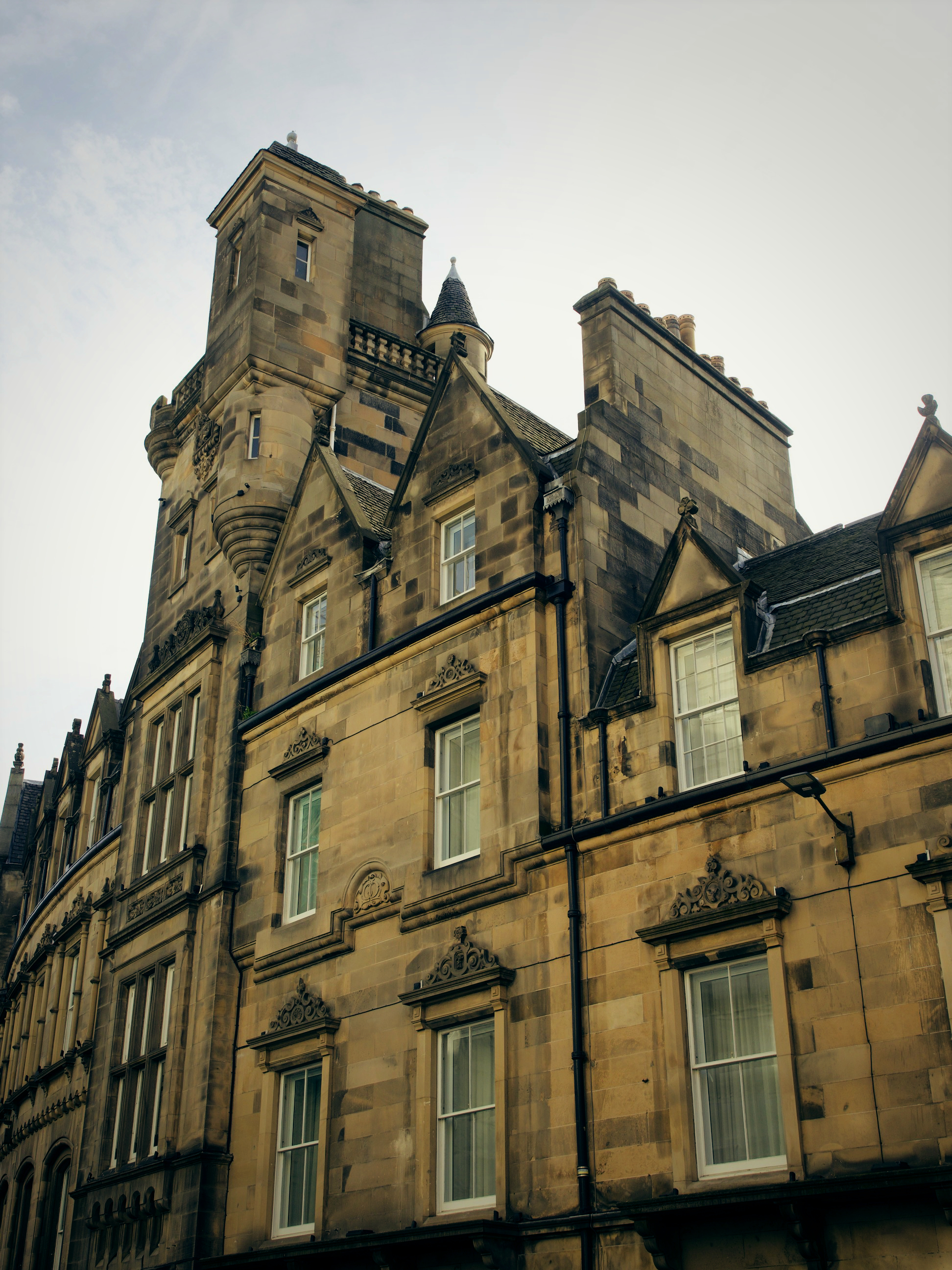
When we left the hotel the next chilly morning, my friend and I discovered winding canyons of centuries-old, exquisitely decorated buildings. It turns out that Edinburgh is one of the better-preserved historical cities throughout the UK, something I hadn't fully realized before visiting. My first impression was of a city brimming with old-world charm and with just the right amount of gloom to delight any goth. There is a reason Edinburgh has inspired writers like Mary Shelley to write Frankenstein and Robert Louis Stevenson to write Dr. Jekyll and Mr. Hyde. It just has that vibe.
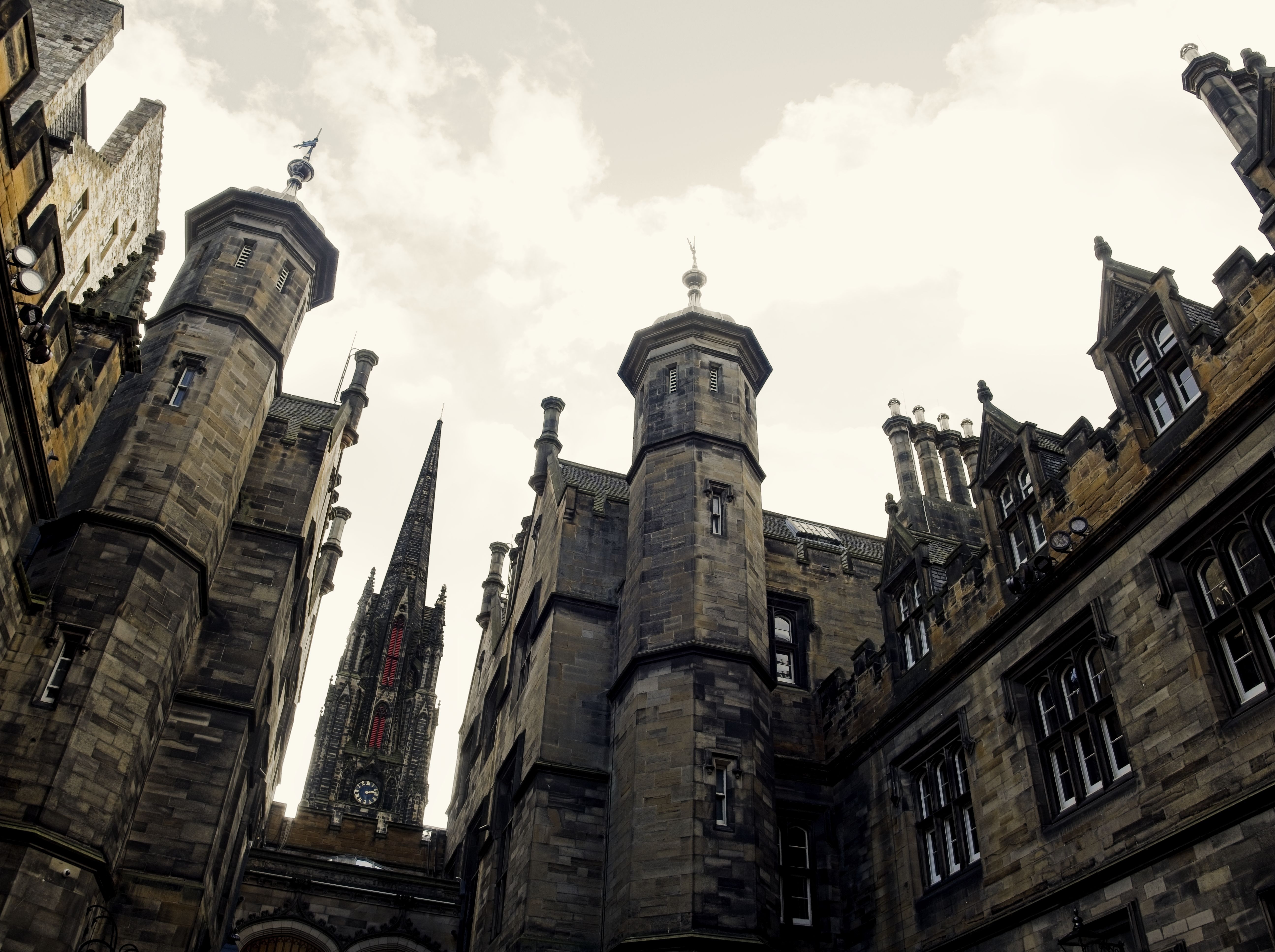
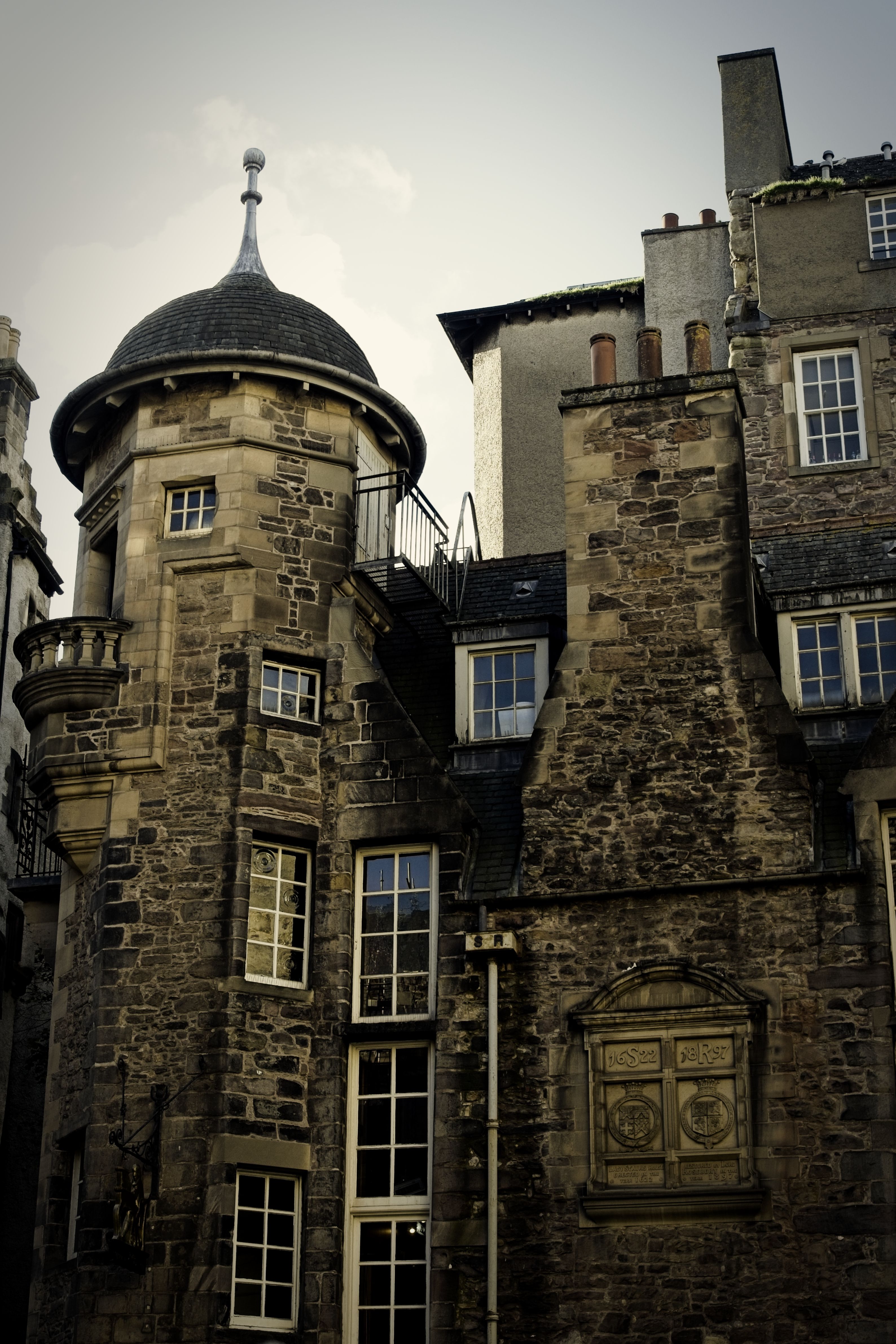
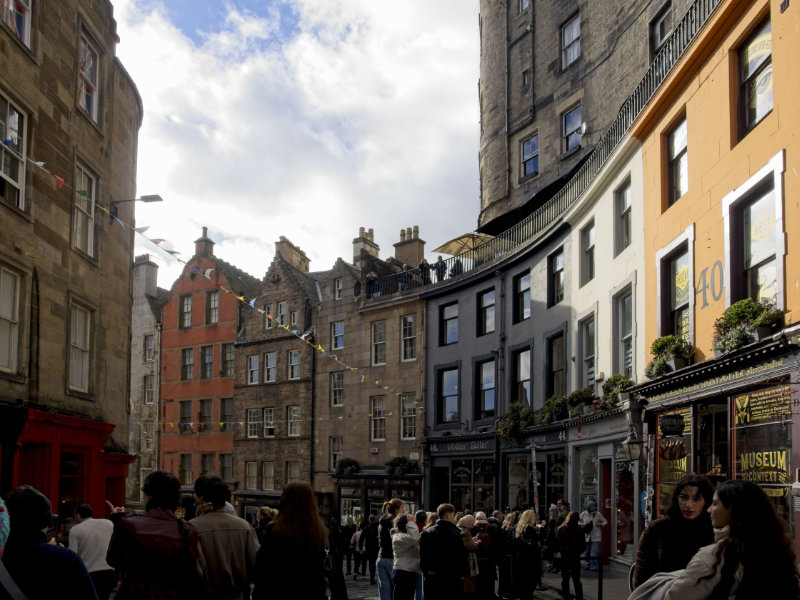
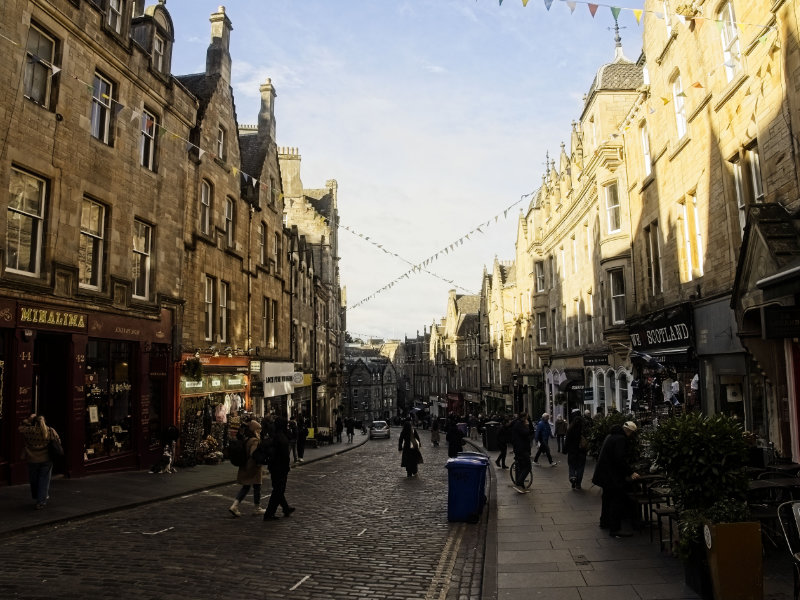
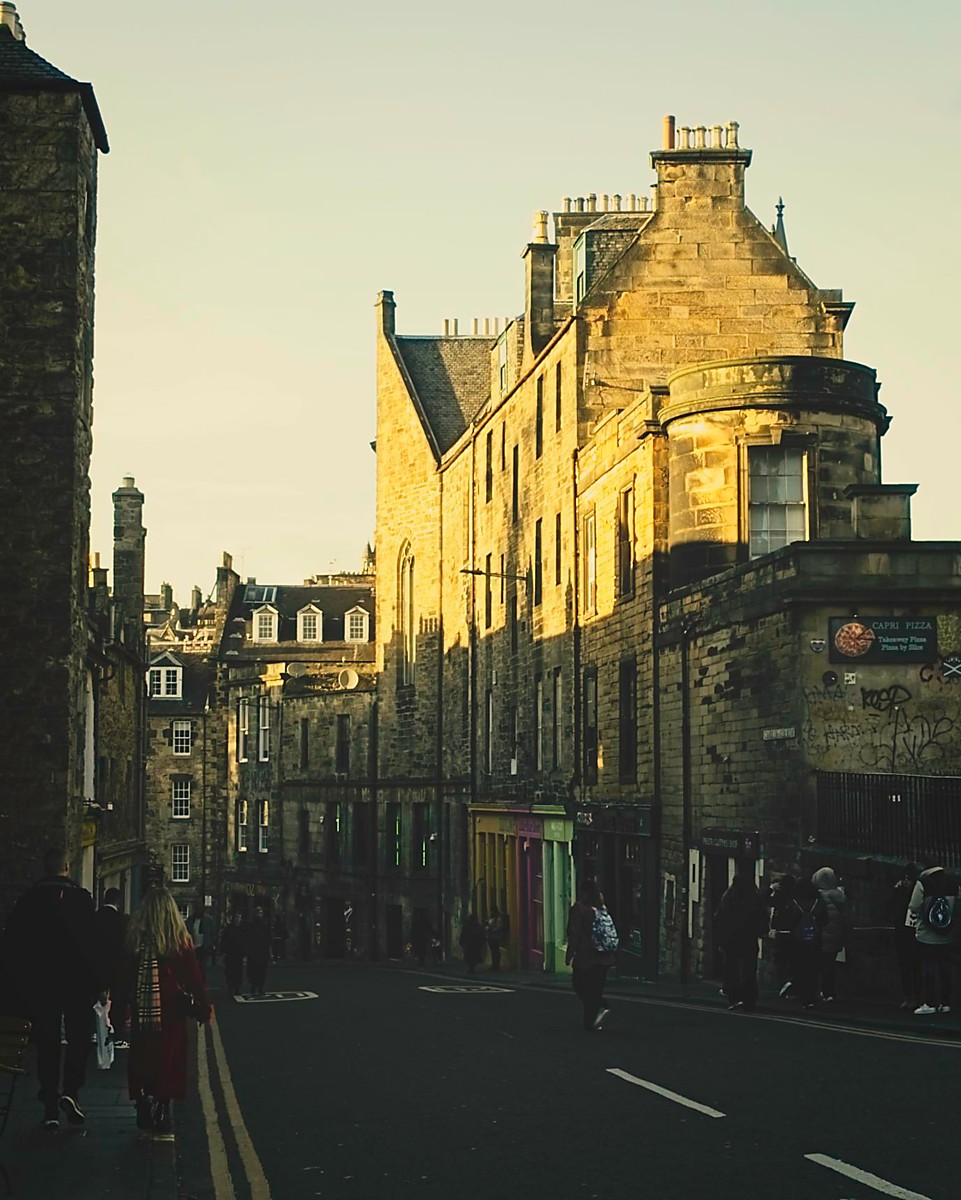
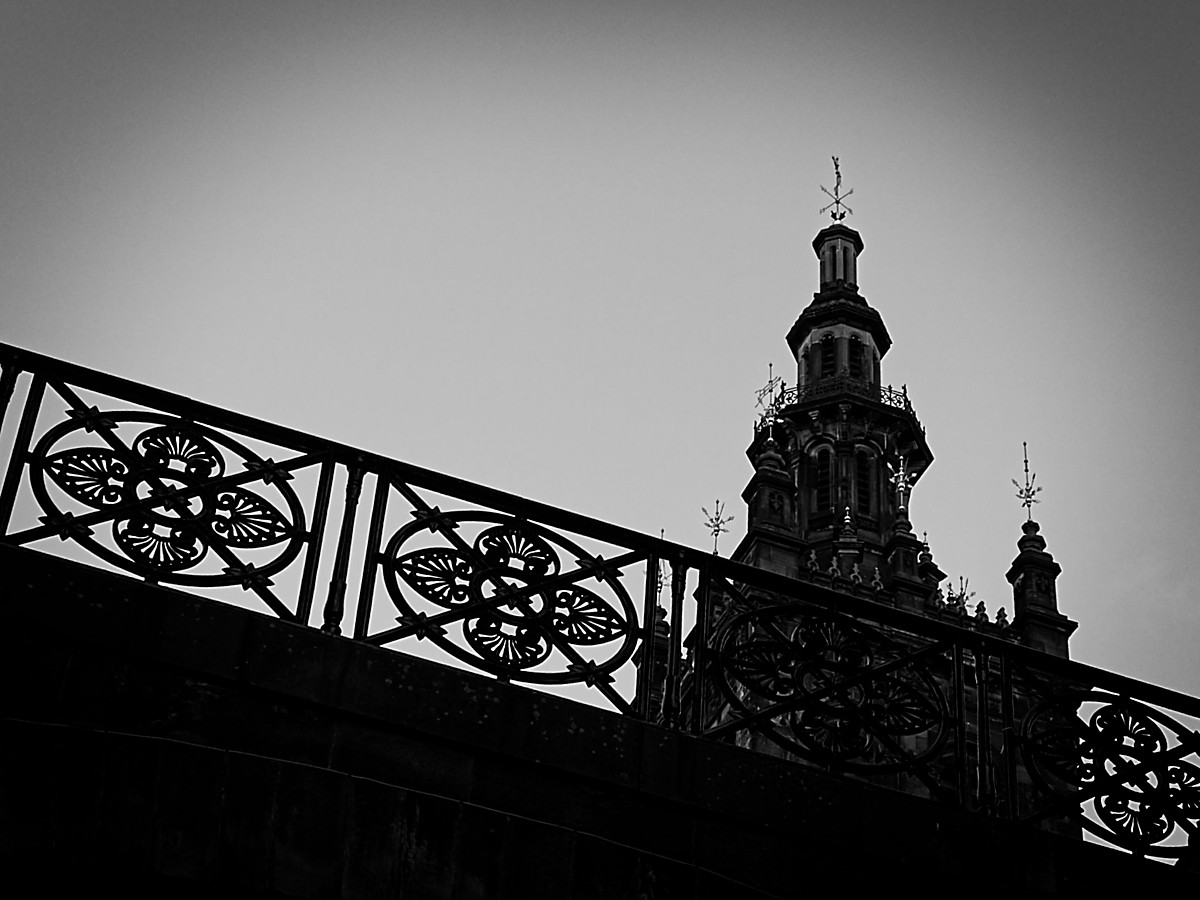
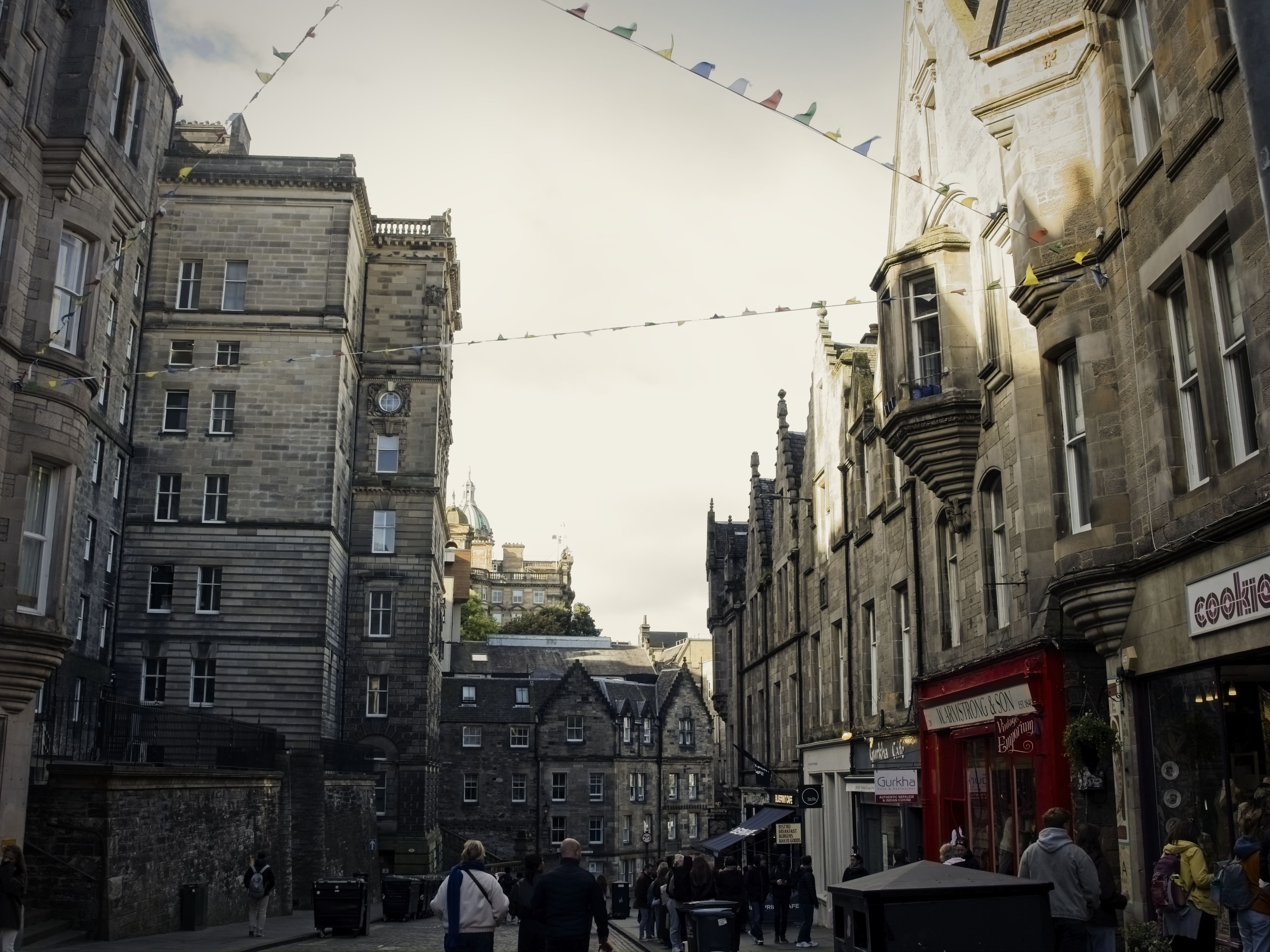
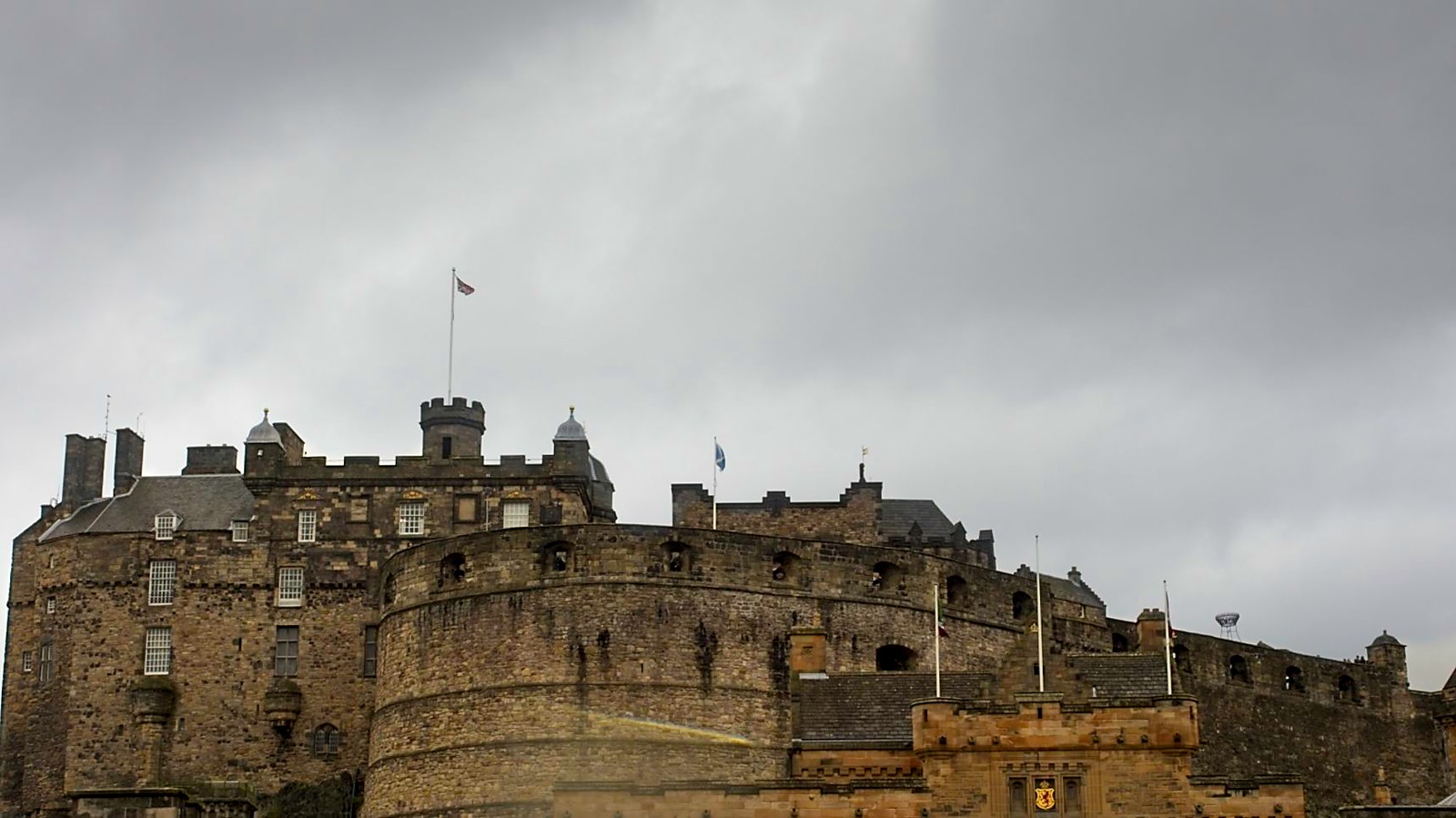
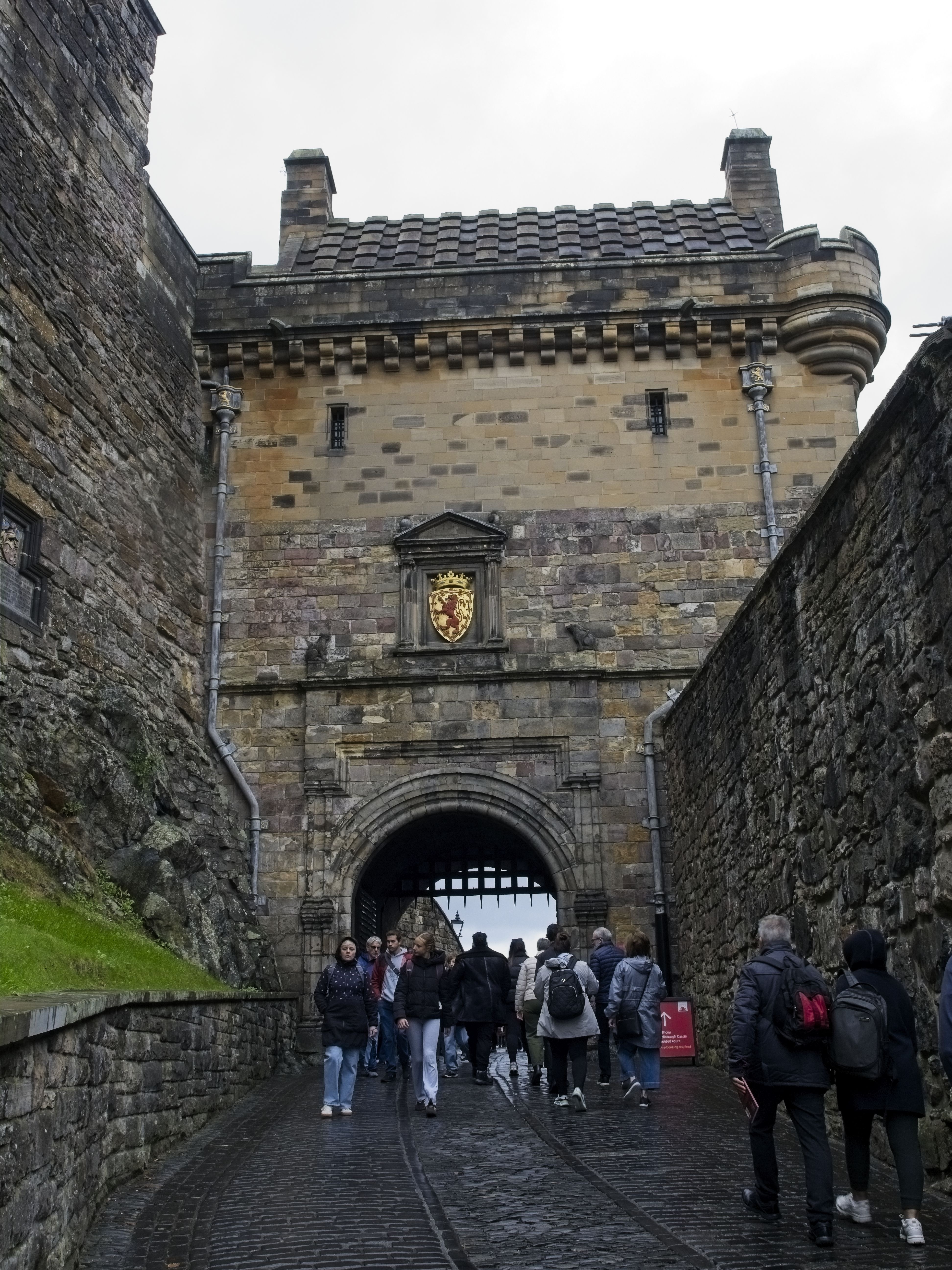
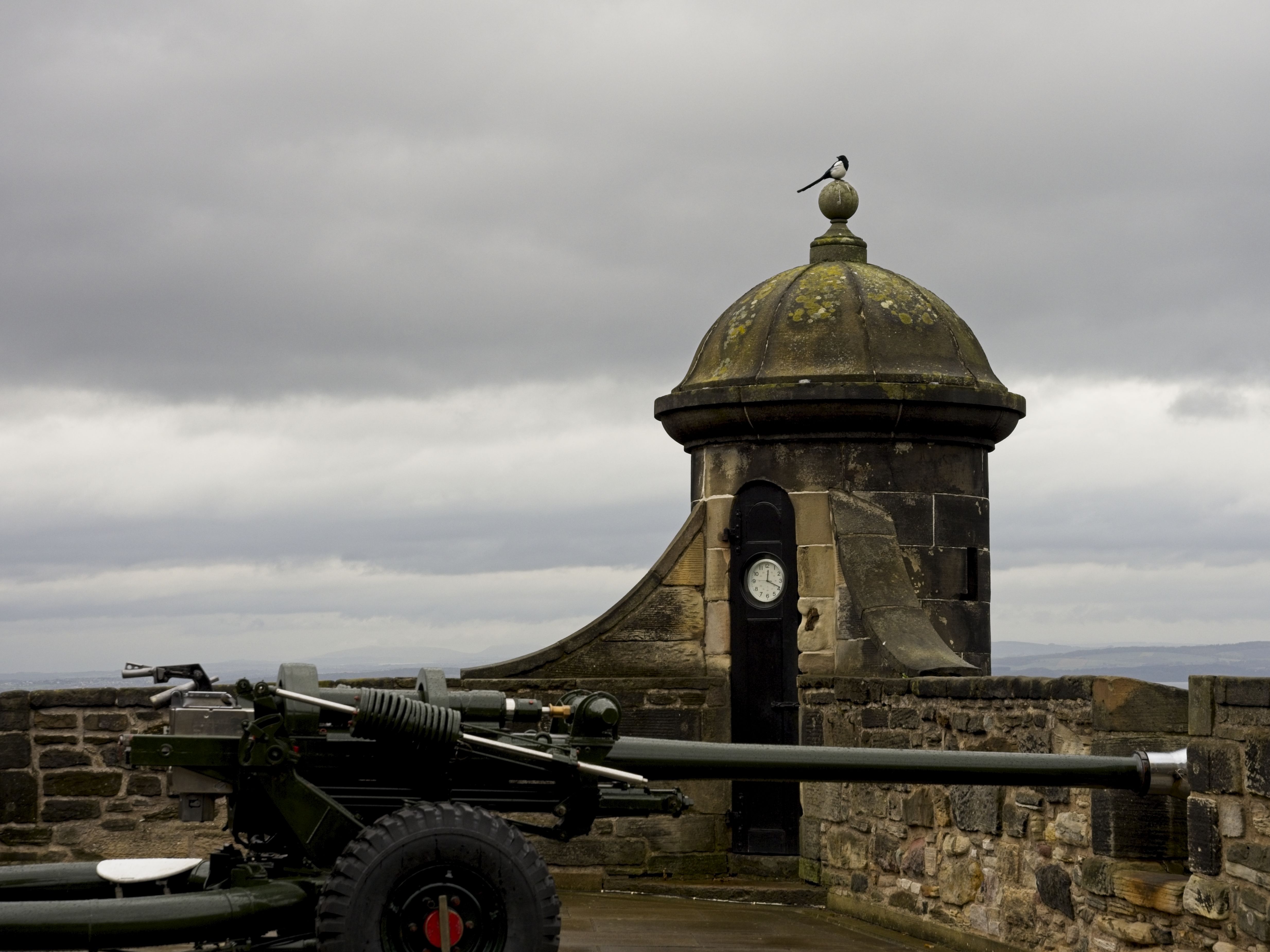
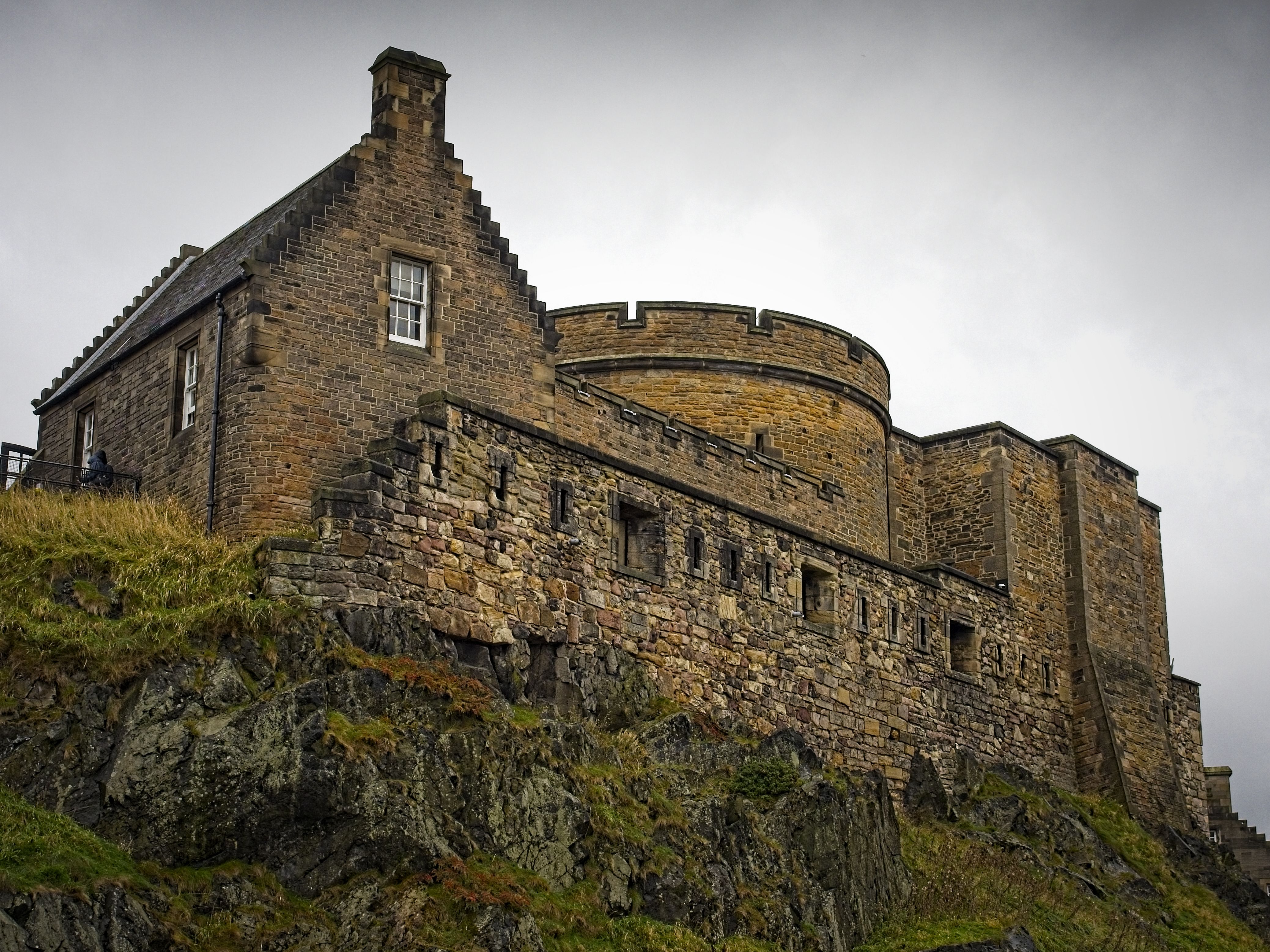
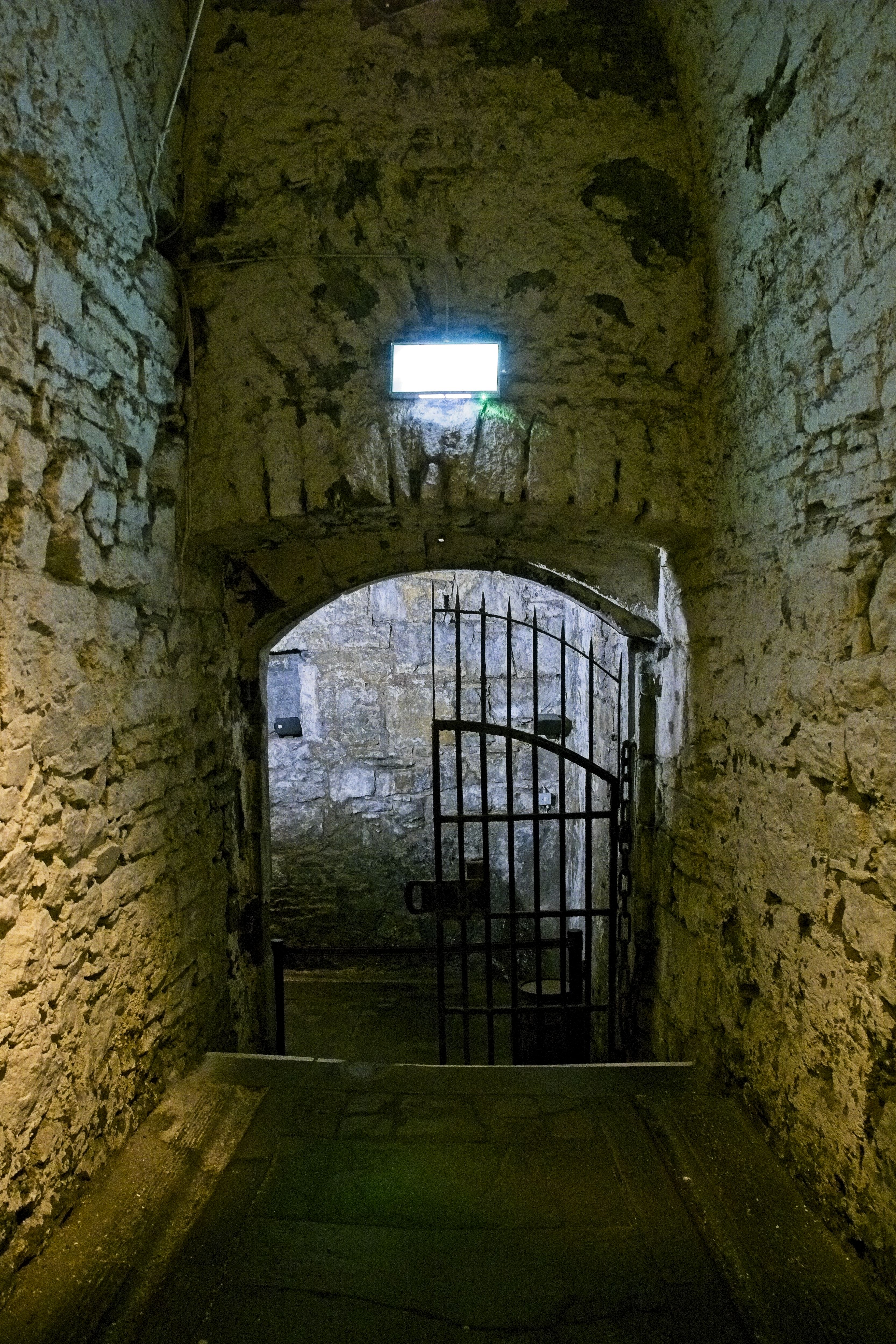
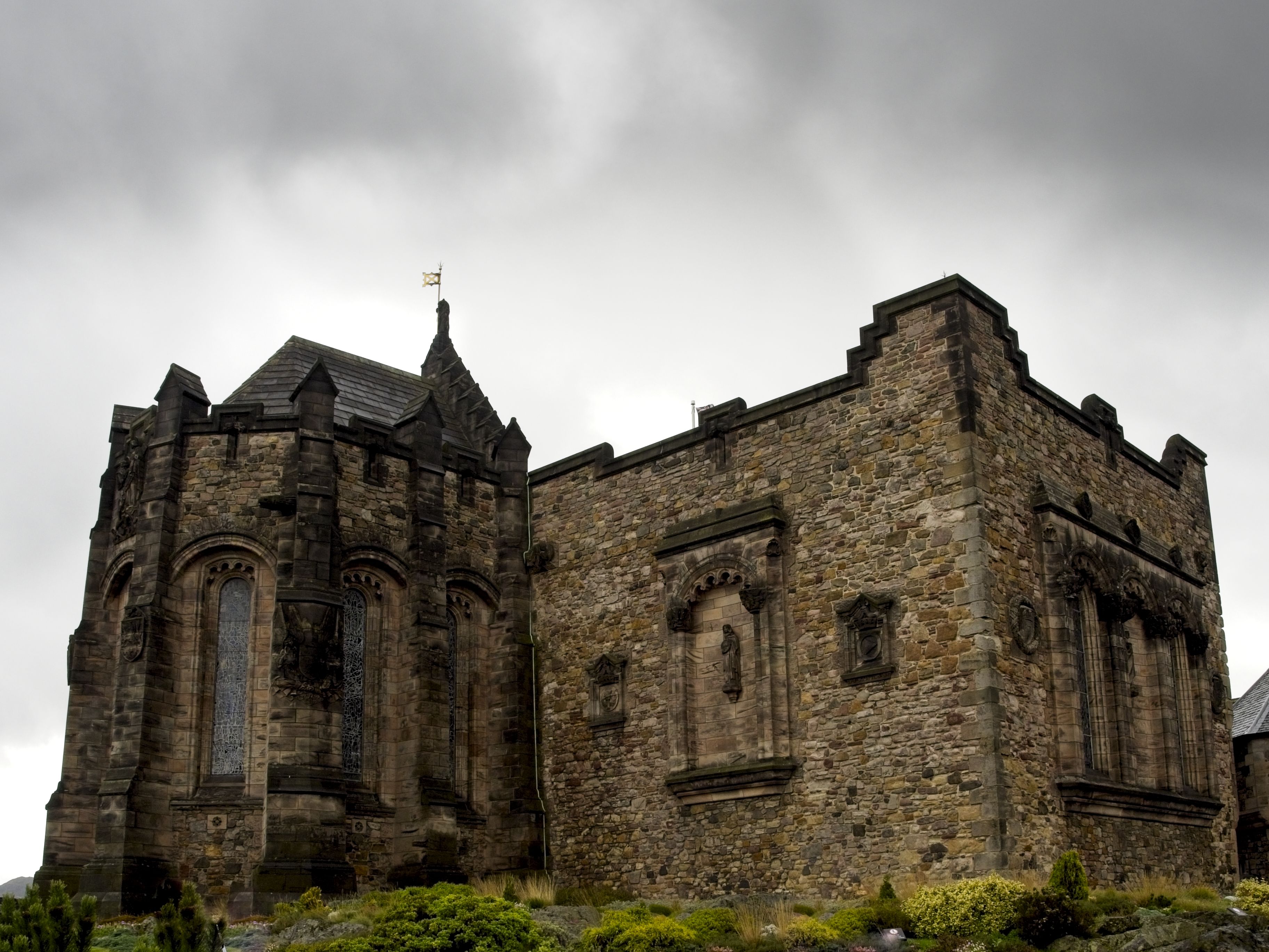
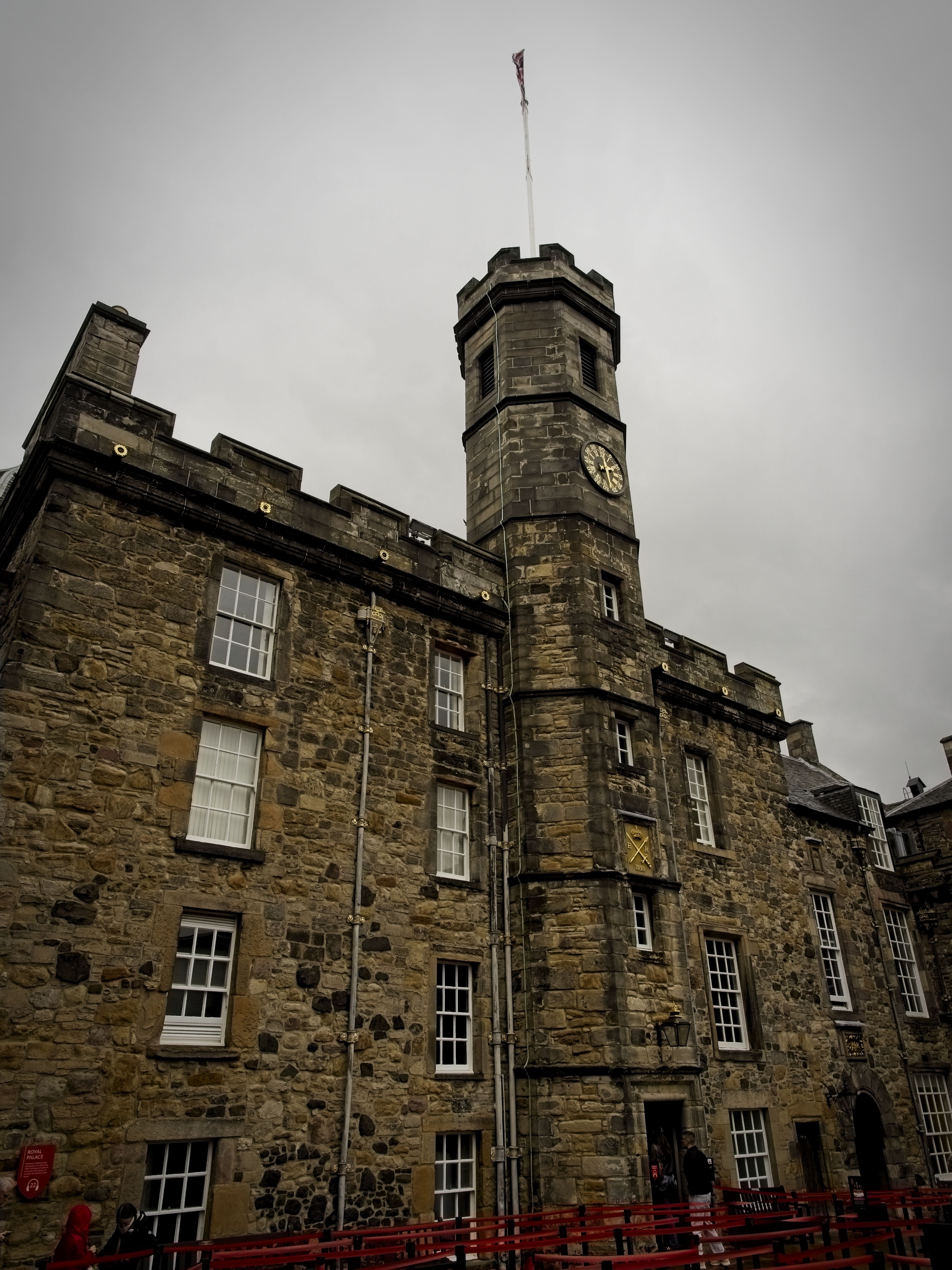
At the center of this gothic city, high upon Castle Rock (seriously, did we teleport to Westeros?), sits Edinburgh Castle. This is the most obvious landmark for any visit to Edinburgh considering you can see it from most of the city. It's also a great starting place considering how interwoven the castle is with the rest of the city's history, having been the home to such figures as Mary, Queen of Scots, and her son King James I of England. The funny thing is, it was one of the last places we visited on our trip. I guess we did things backwards.
You'll likely have to compete with crowds, depending on the season. Regardless, Edinburgh Castle is worth the price of admission. The castle has over 1,100 years of history and more than a dozen buildings with exhibits and activities, from afternoon tea to the 1 p.m. firing of an artillery gun. Allow yourself several hours to fully explore at your own pace, or consider hiring a guide ahead of time (something we neglected to do) if you want a deeper dive into the castle's history. Even without a guide, the exhibits are well curated and offer something for a wide array of interests.
I should note, the castle and the immediate area around it are a nightmare for photographers who don't want random people in their shots. Just accept that tourists will unknowingly photobomb your images, and you'll likely end up in some of theirs. Maybe it's all part of the fun.
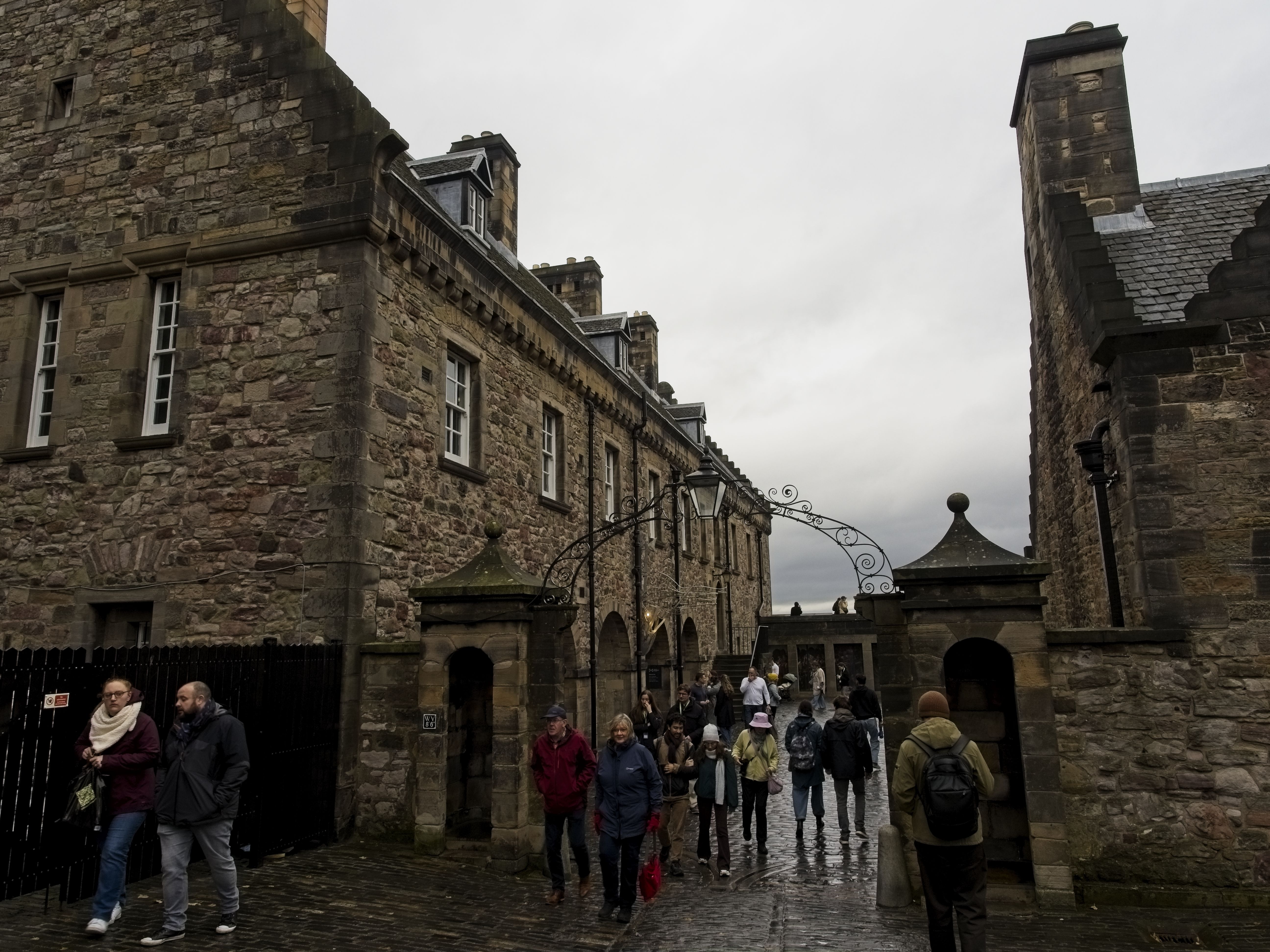
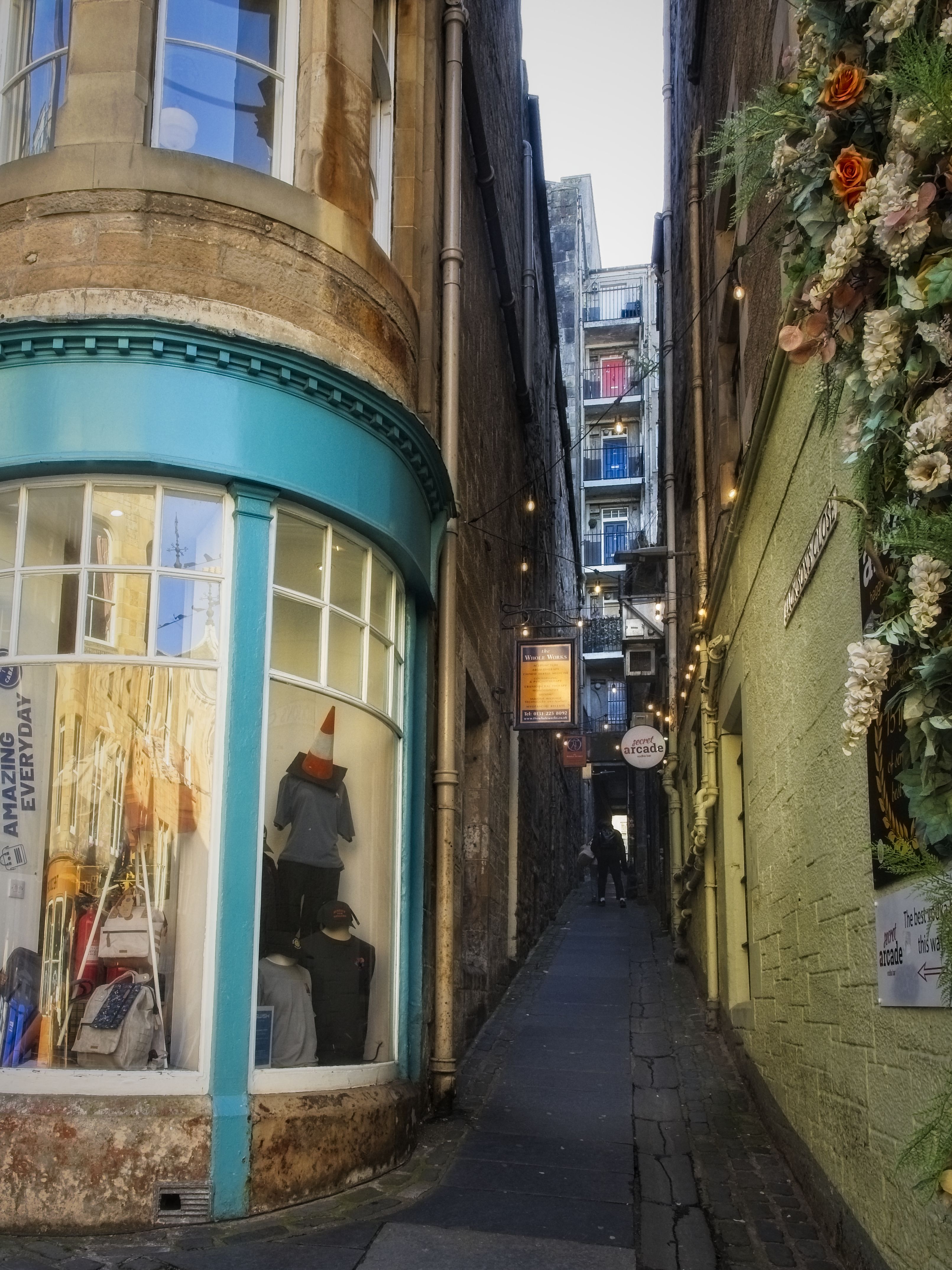
From there, Old Town spills down the hill into a winding labyrinth of streets spanning multiple layers with many streets crossing over or under one another. To add to the confusing geography of Old Town, many streets are connected by “closes,” a name used for narrow alleyways, some with interesting names and histories. Know that some buildings, like The Writers' Museum, are only accessible through these closes.
The labyrinthine nature of Old Town has a way of encouraging exploration to find a hidden gem around a corner, down a stairway, or through a tunnel. Several times we found ourselves asking, “Huh, what do you think is through there?” and we'd end up finding a narrow street with quaint shops or interesting architecture that one could easily just walk right by without knowing it. Edinburgh is a great city for the inquisitive adventurer to wander around and get lost in. For example, we randomly discovered an art-deco style cinema called The Scotsman Picturehouse while walking down the Fisherman's Close stairway. Since it was near Halloween, we decided to see the 1986 version of The Fly.
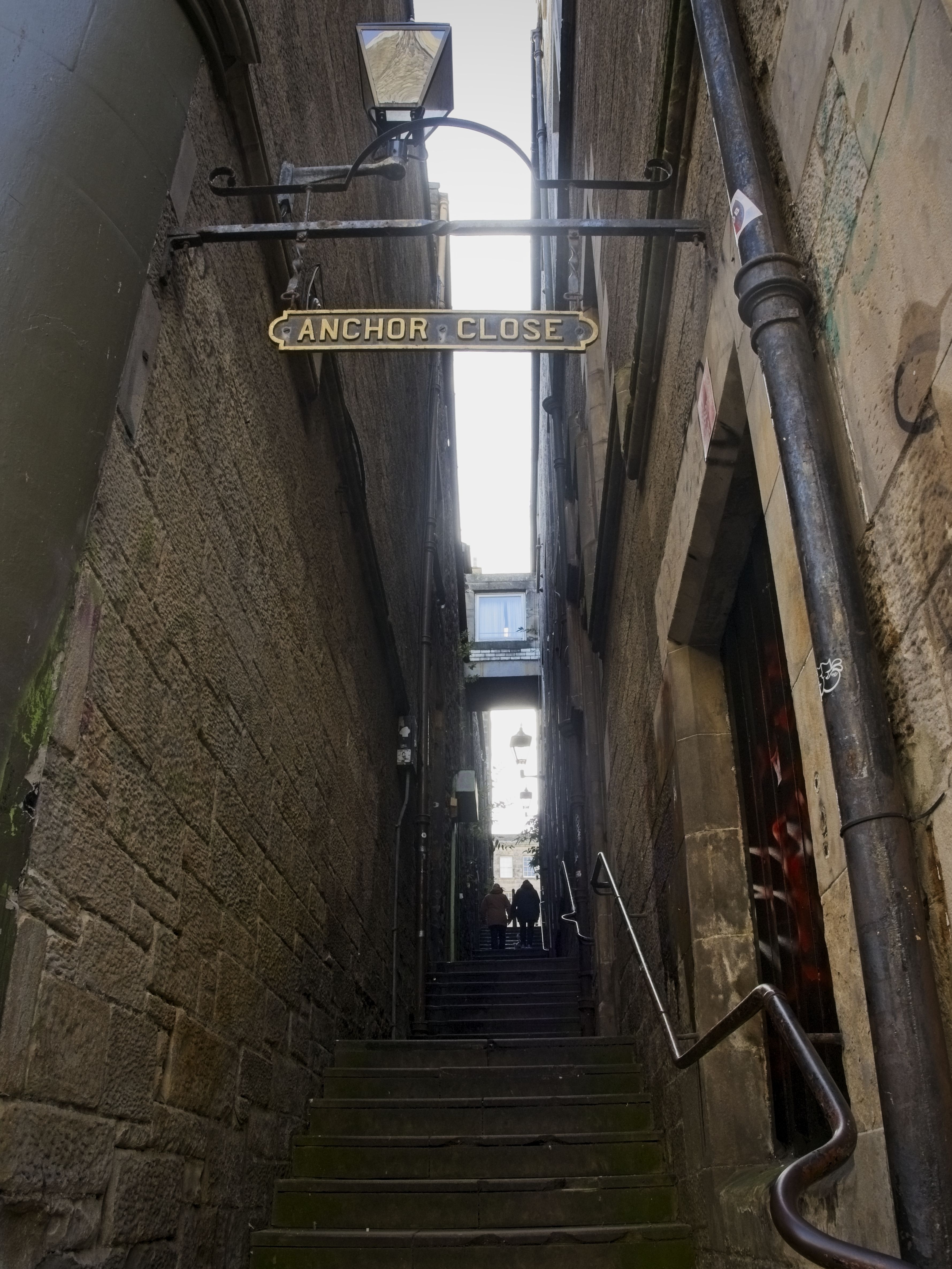
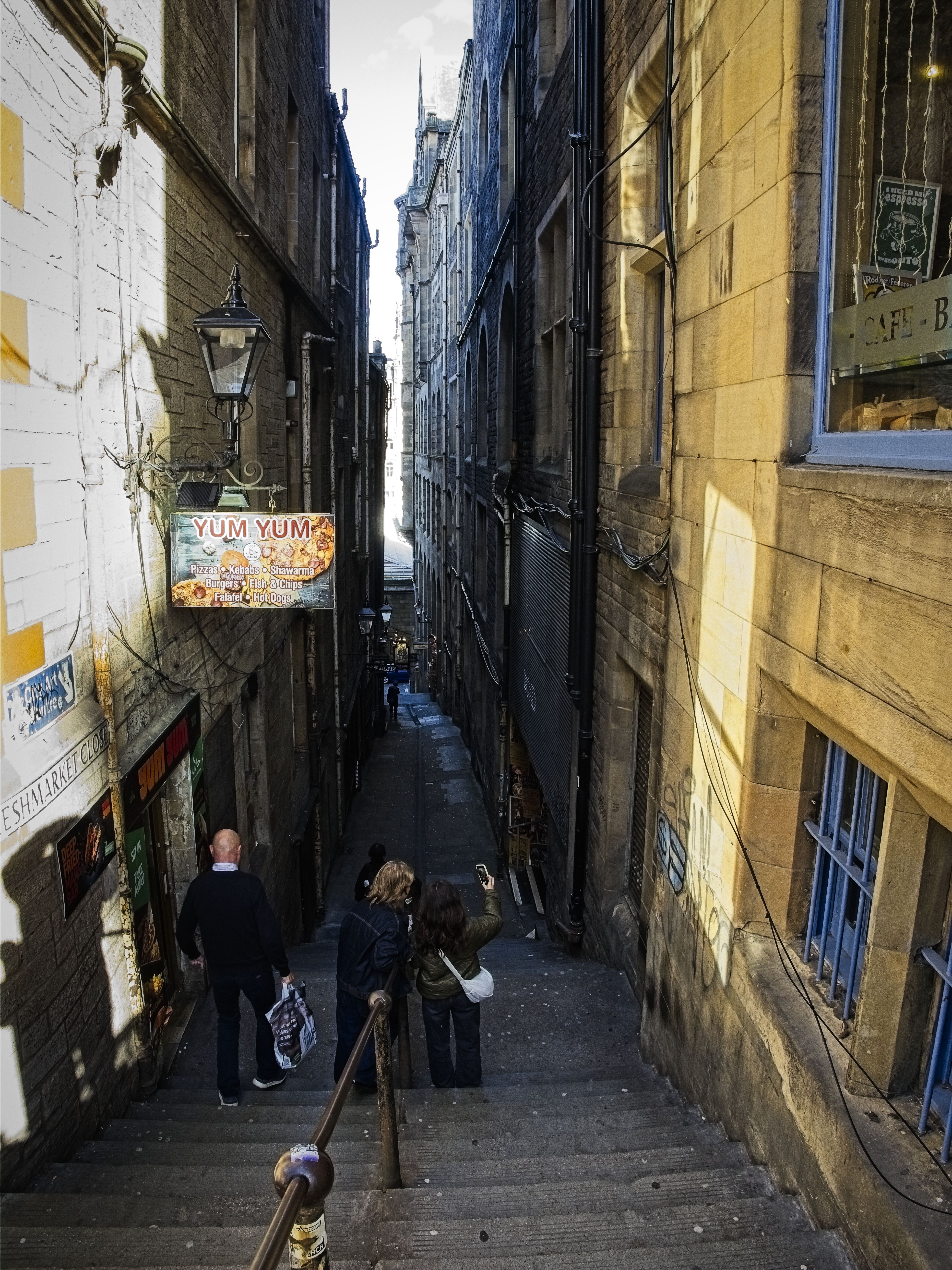
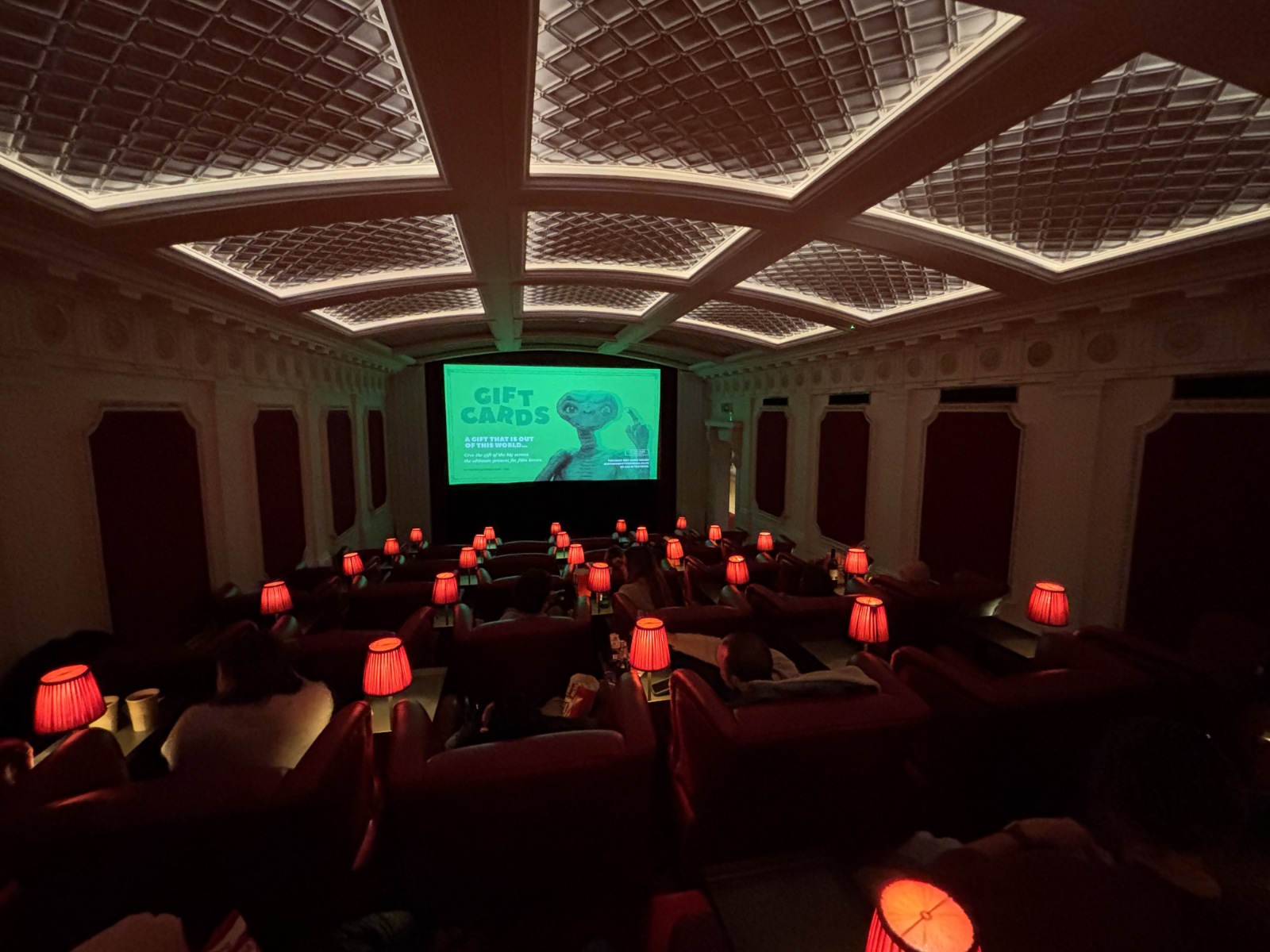
This theme continues into many restaurants, shops, and pubs. You may walk into an establishment that looks moderately sized only to discover there are extra rooms through a back hallway, up some stairs, or in the basement. We quickly learned it was worth being extra curious when entering places, lest we miss out on some quirky spaces with interesting decor. At a speakeasy-themed bar in the Stockbridge neighborhood, we discovered an upstairs nook with comfy chairs and a second bar hidden behind an unmarked doorway!
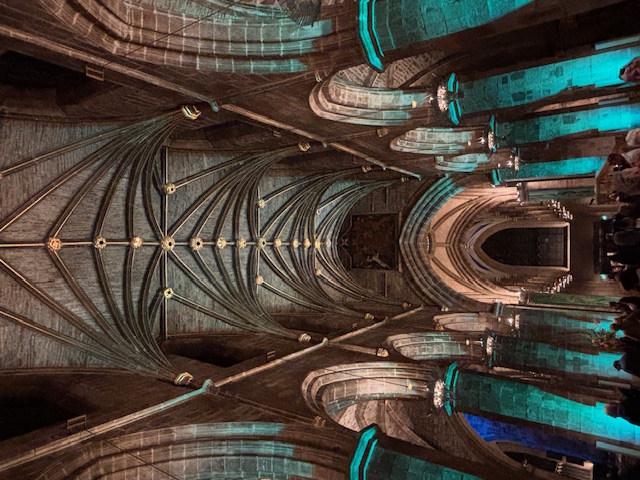
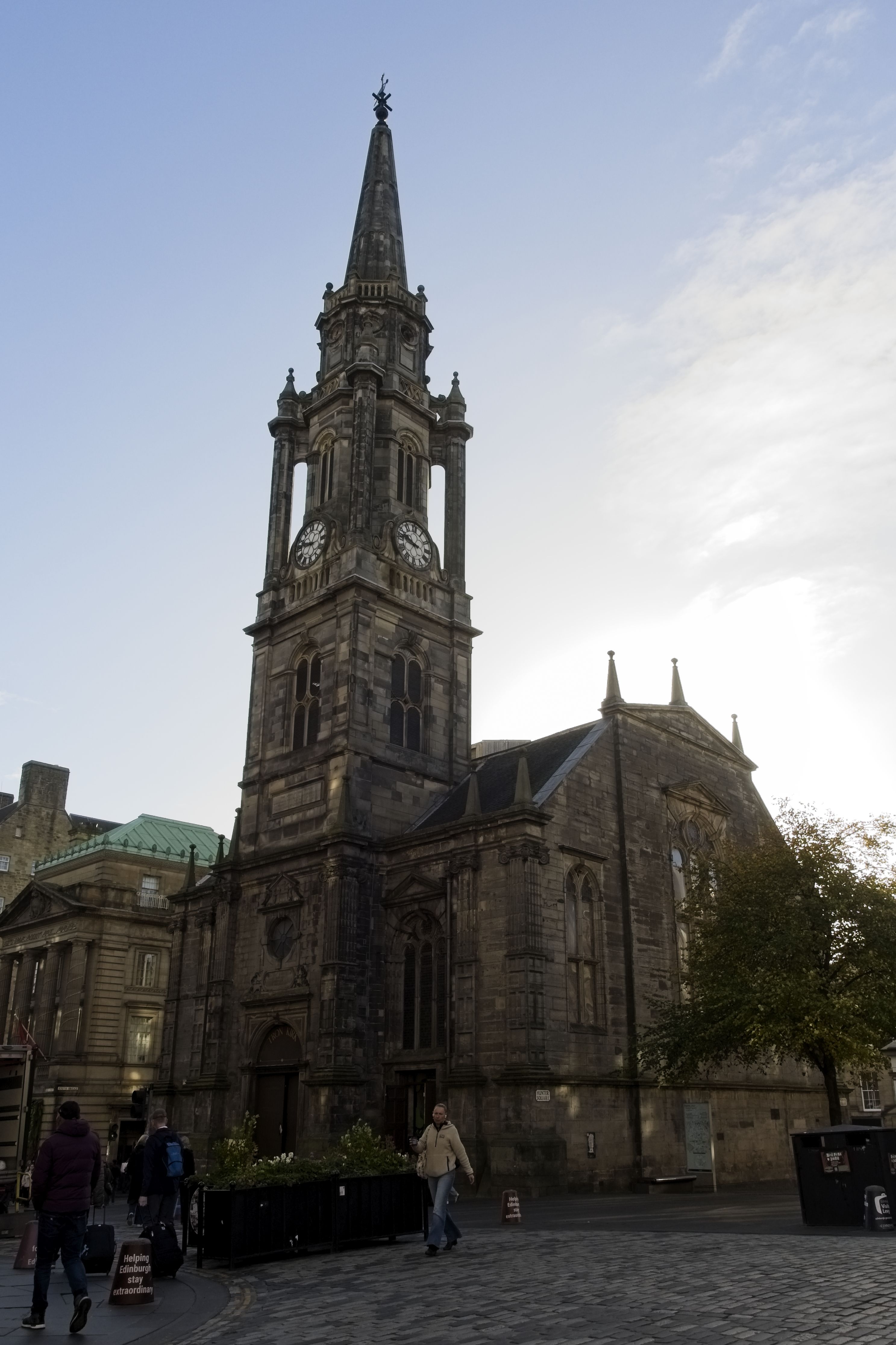
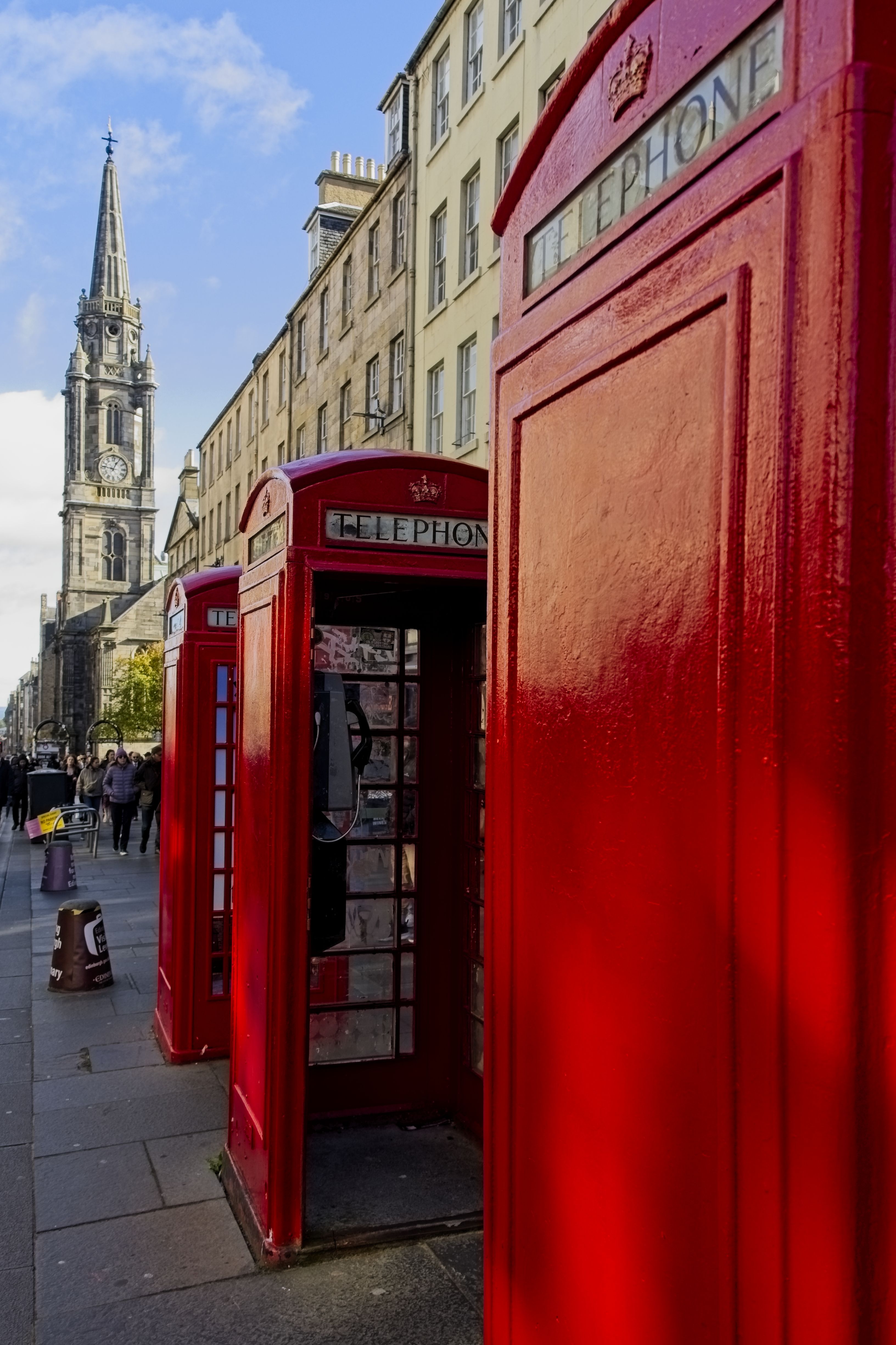
The Royal Mile, the string of streets connecting Edinburgh Castle to the Palace of Holyroodhouse, is home to a number of historical sites. One such site is the gothic St Giles Cathedral. We were fortunate enough to attend a piano recital of Beethoven sonatas in this incredibly beautiful cathedral. Also along the Royal Mile is the Tron Kirk Market. Situated inside an old church, this market features a host of local artists and crafters.
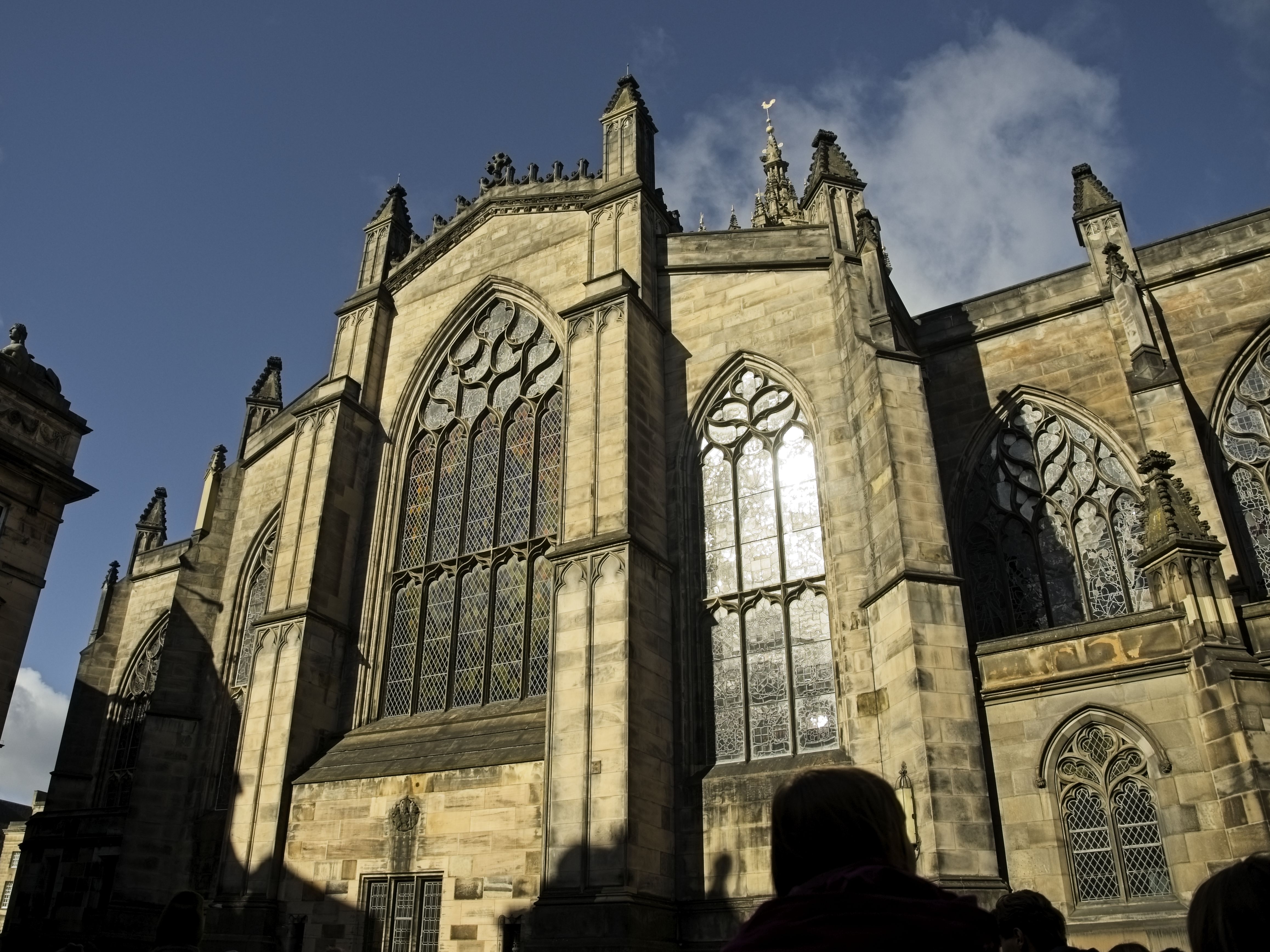
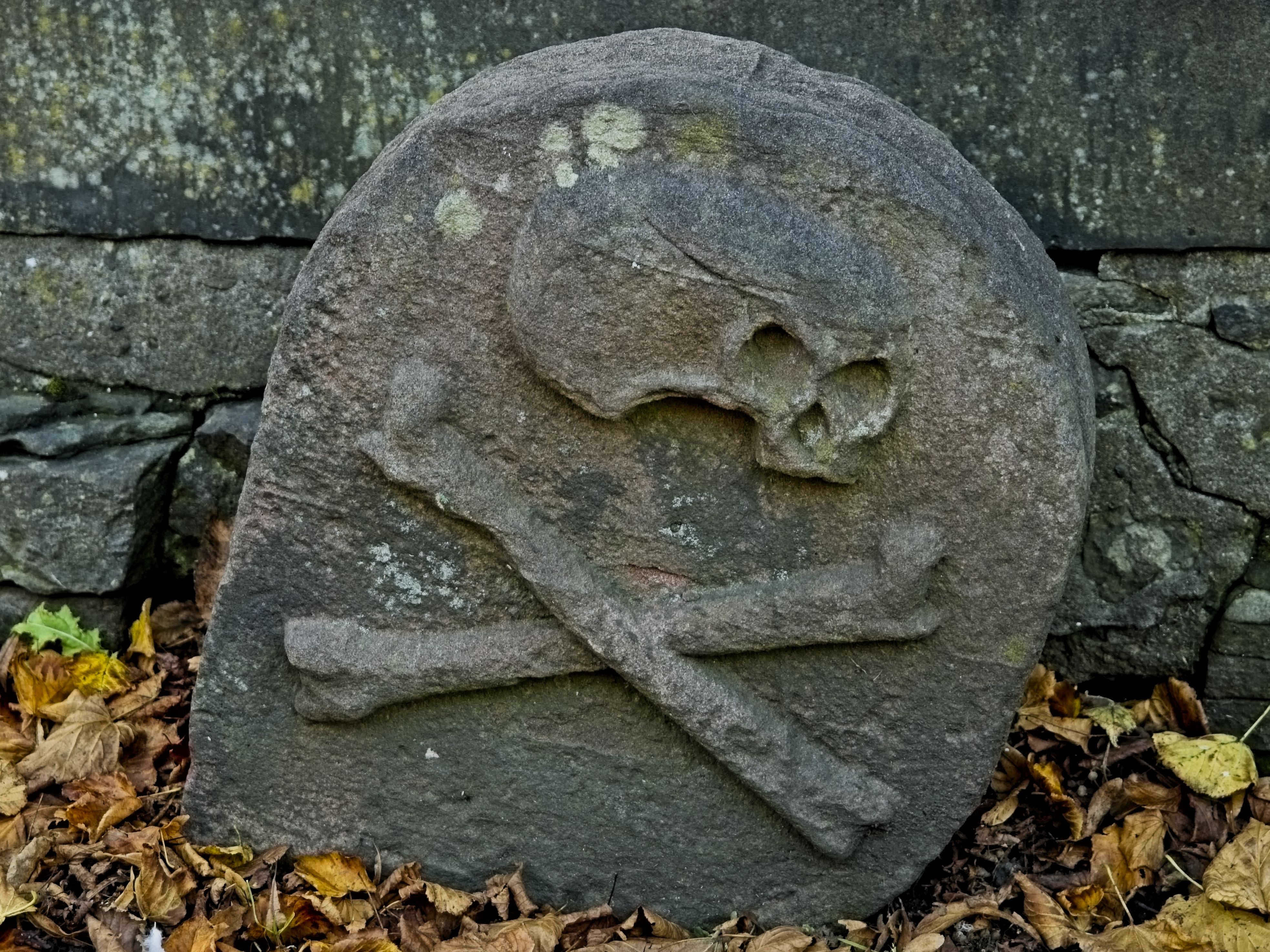
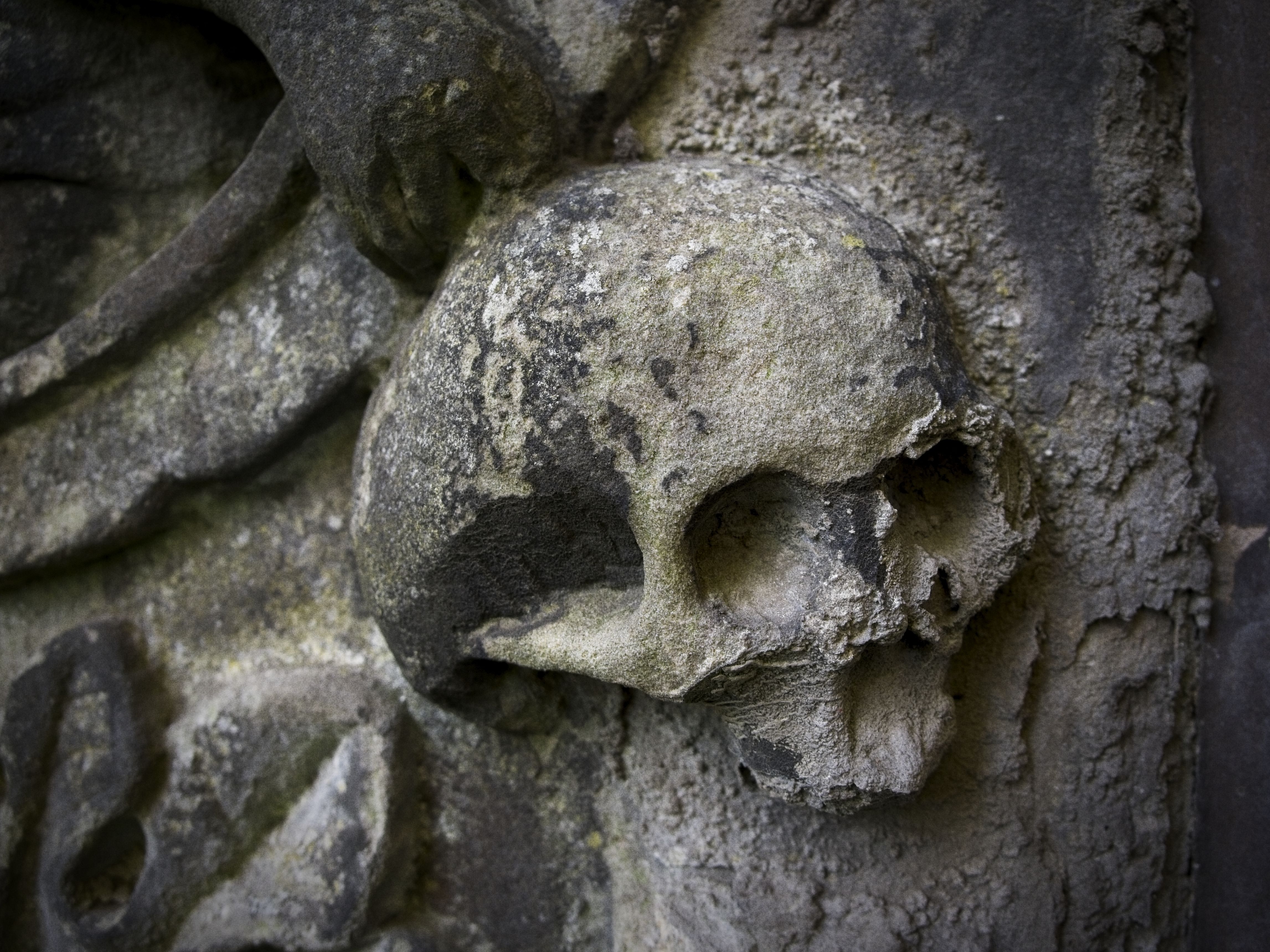
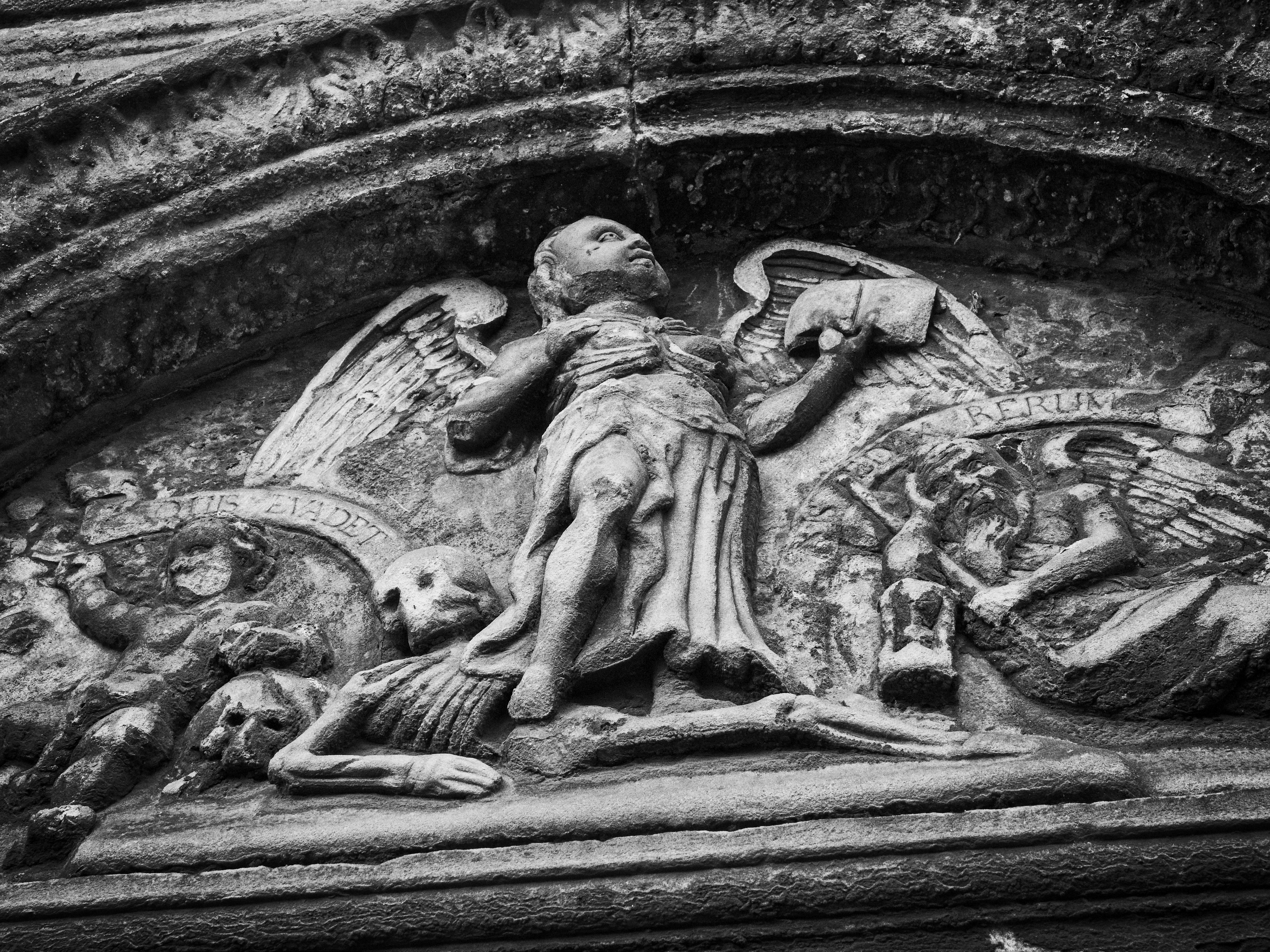
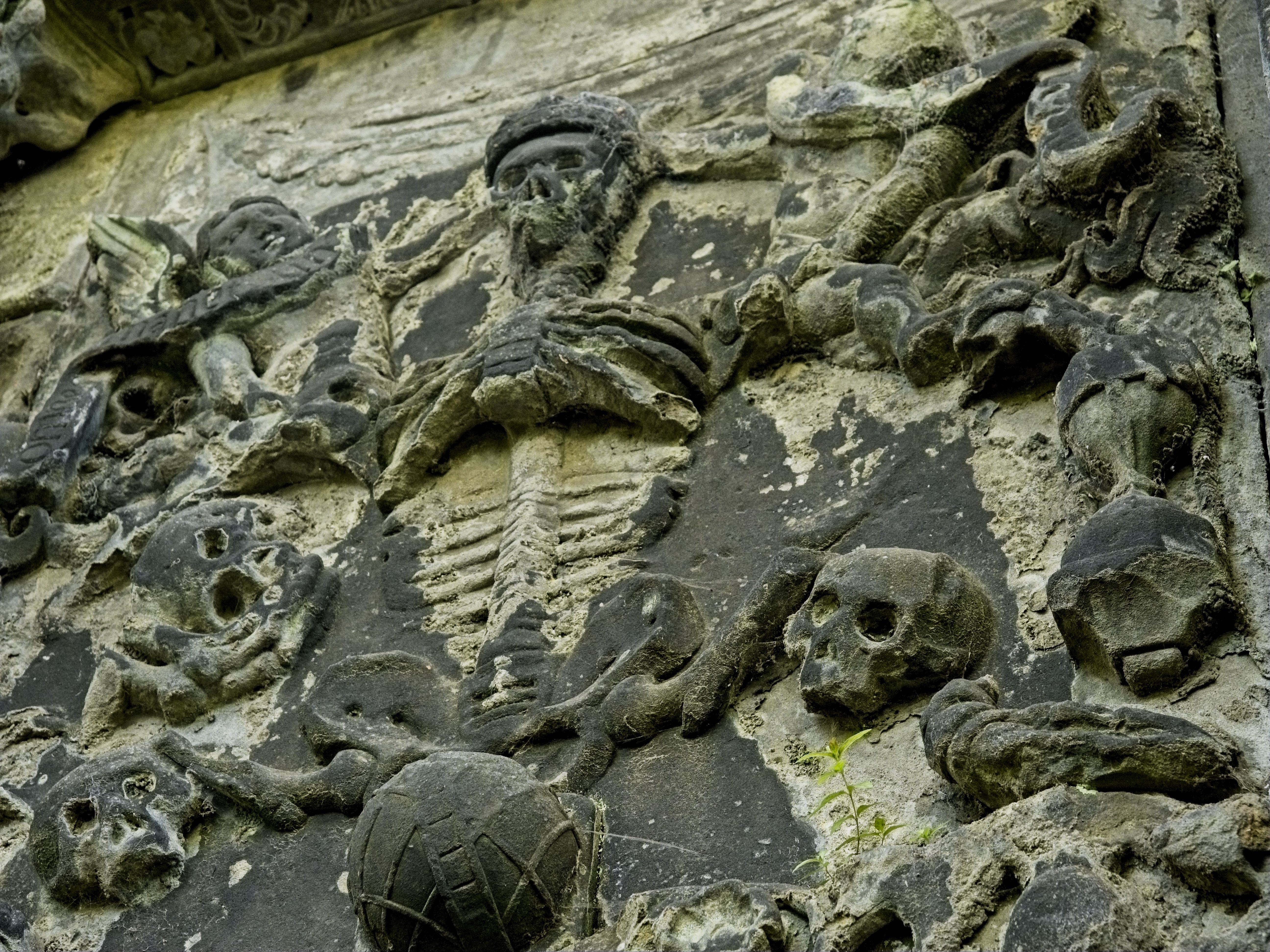
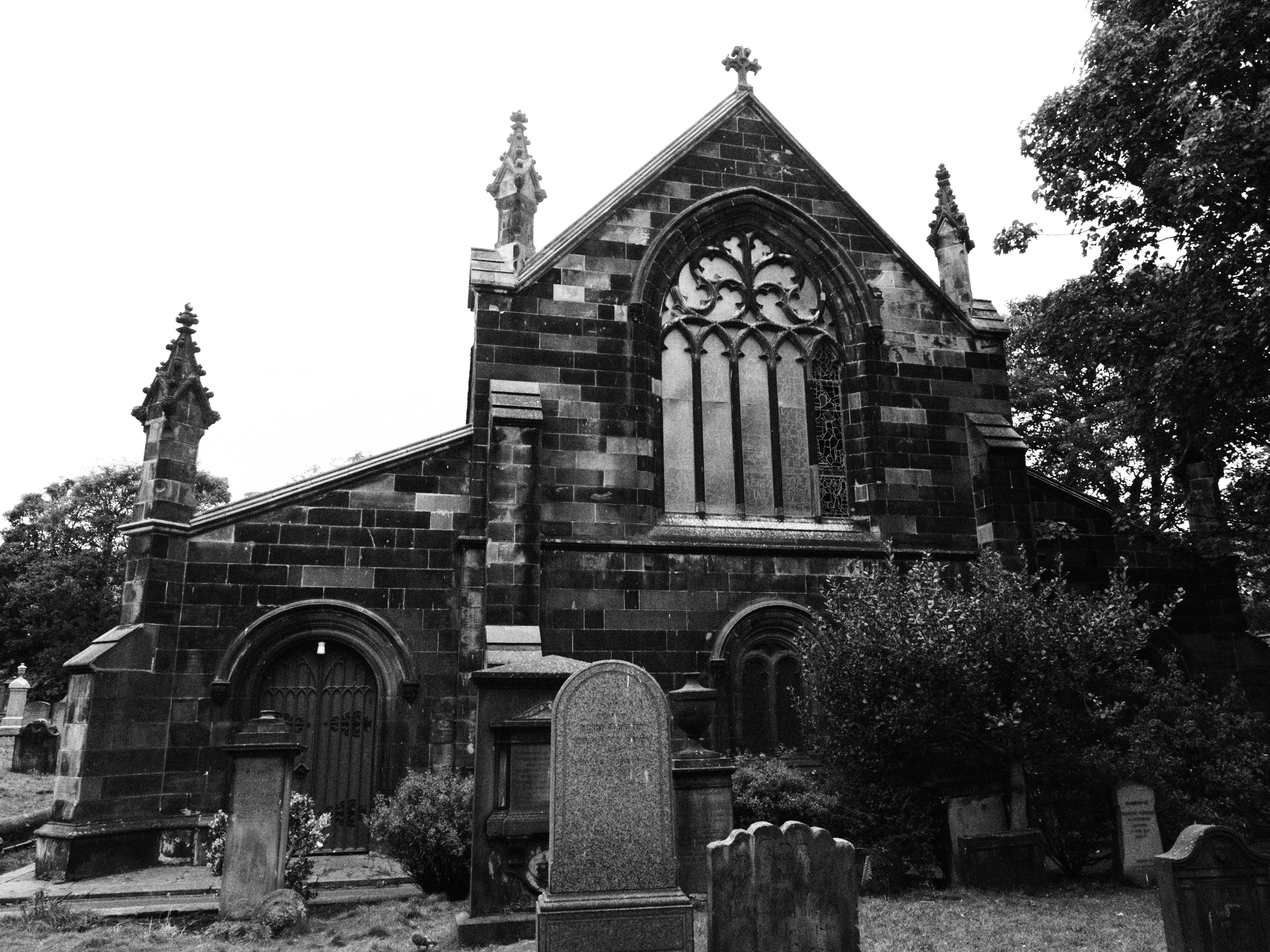
Another must-visit is Greyfriars Kirkyard, the resting place of Bobby the faithful Skye Terrier whose history may not be completely truthful. We accidentally ended up at the cemetery three times, once by ourselves, once during a walking tour, and then later during a ghost tour. At least our tour guides were very entertaining and told us the seedy stories about the many colorful characters who called Old Town home. Ask your guide for the “real story” behind Bobby. Who knows which version you'll get. One of my favorite things about Greyfriars Kirk was all the memento mori carvings on the grave sites.
A short walk from the Royal Mile will bring you to the Surgeons' Hall Museum. I highly recommend this museum to anyone who likes the odd and peculiar. It features exhibits detailing the history of surgery and hundreds of preserved samples of human body parts illustrating different diseases and conditions. Note that they do not allow photography out of respect to those who donated their bodies to science.
Beyond Old Town, there are many neighborhoods to explore, each with its own historical charm, and in some cases, fewer tourists. New Town is a quick walk past the train station that separates the new from the old. There you will find Georgian-era architecture mixed with the occasional contemporary structure.
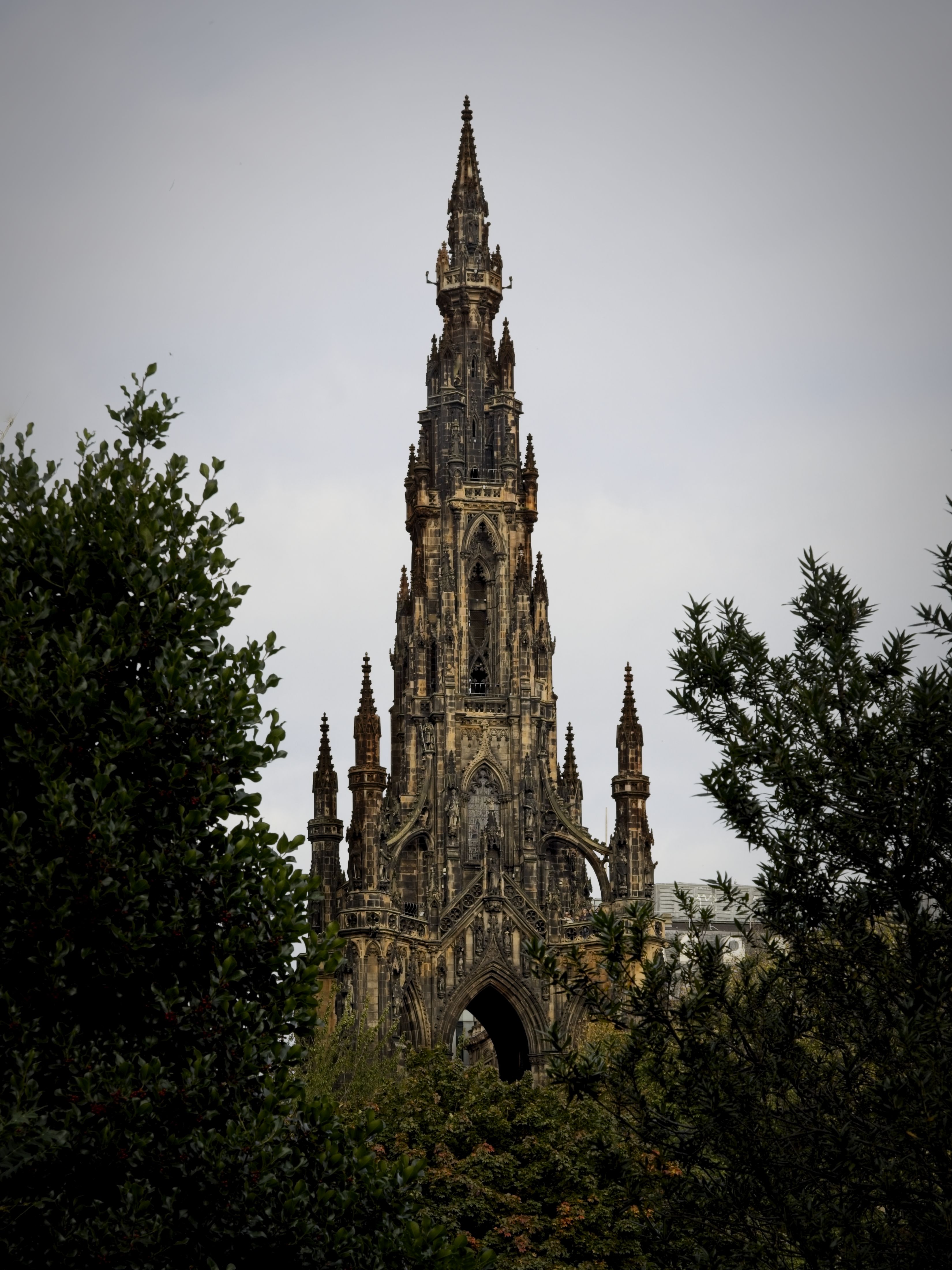
One prominent feature in New Town is the Scott Monument, located on Princes Street just north of the rail station. This Victorian Gothic spire was built in the 1840s to honor Sir Walter Scott, one of Scotland's most revered authors. The monument rises just over 200 feet, with dark stonework, ornate carvings, flying buttresses, and a statue of Sir Walter Scott sits at its base. Visitors are able to climb 287 steps to an observation platform with panoramic views of the surrounding city. A fun feature of note is that sitting loyally next to Scott is a statue of his beloved dog Maida.
Another spot worth visiting is the Scottish Design Exchange, a gallery shop featuring local artists and crafters. Here you'll find original art, prints, decor, and unique hand-crafted treasures you won't generally find in the typical tourist shops.
Again, while wandering around New Town, make sure to venture off the major streets. We found several narrow streets and alleyways that hosted a variety of interesting restaurants, pubs, shops, and historic buildings. One such street is Rose Street. We walked by it several times before noticing this narrow street lined with storefronts and stopped for fish and chips at The Auld Hundred pub.
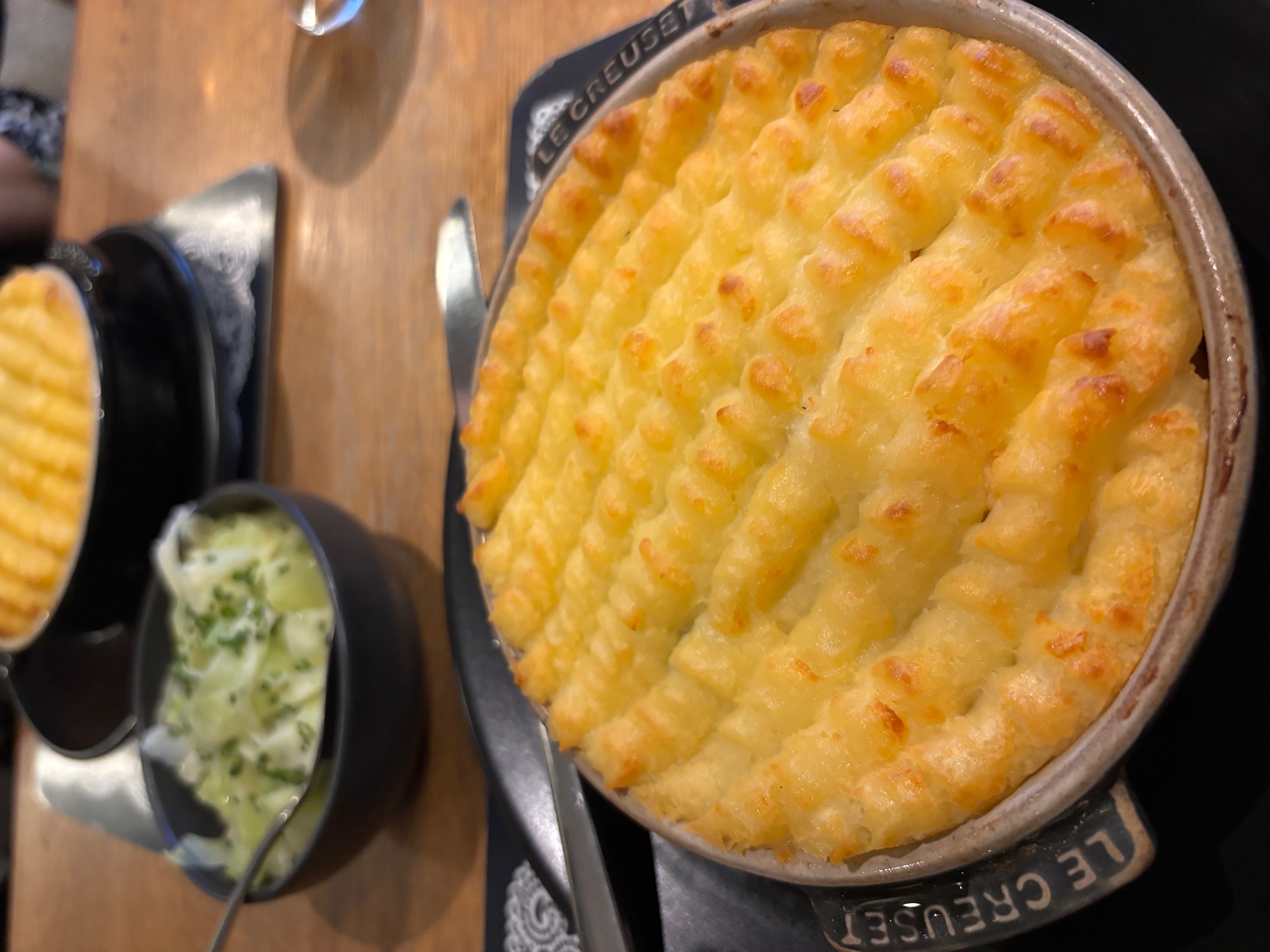
If you continue walking northeast through New Town, you'll pass Circus Lane, an adorable little neighborhood with a more European feel. You can then cross a bridge over the Water of Leith river to find the lovely Stockbridge neighborhood. This is where we found the speakeasy themed St Bernard's Bar, and had a delicious dinner at The Scran and Scallie. We both tried the traditional fish pie. It was amazing!
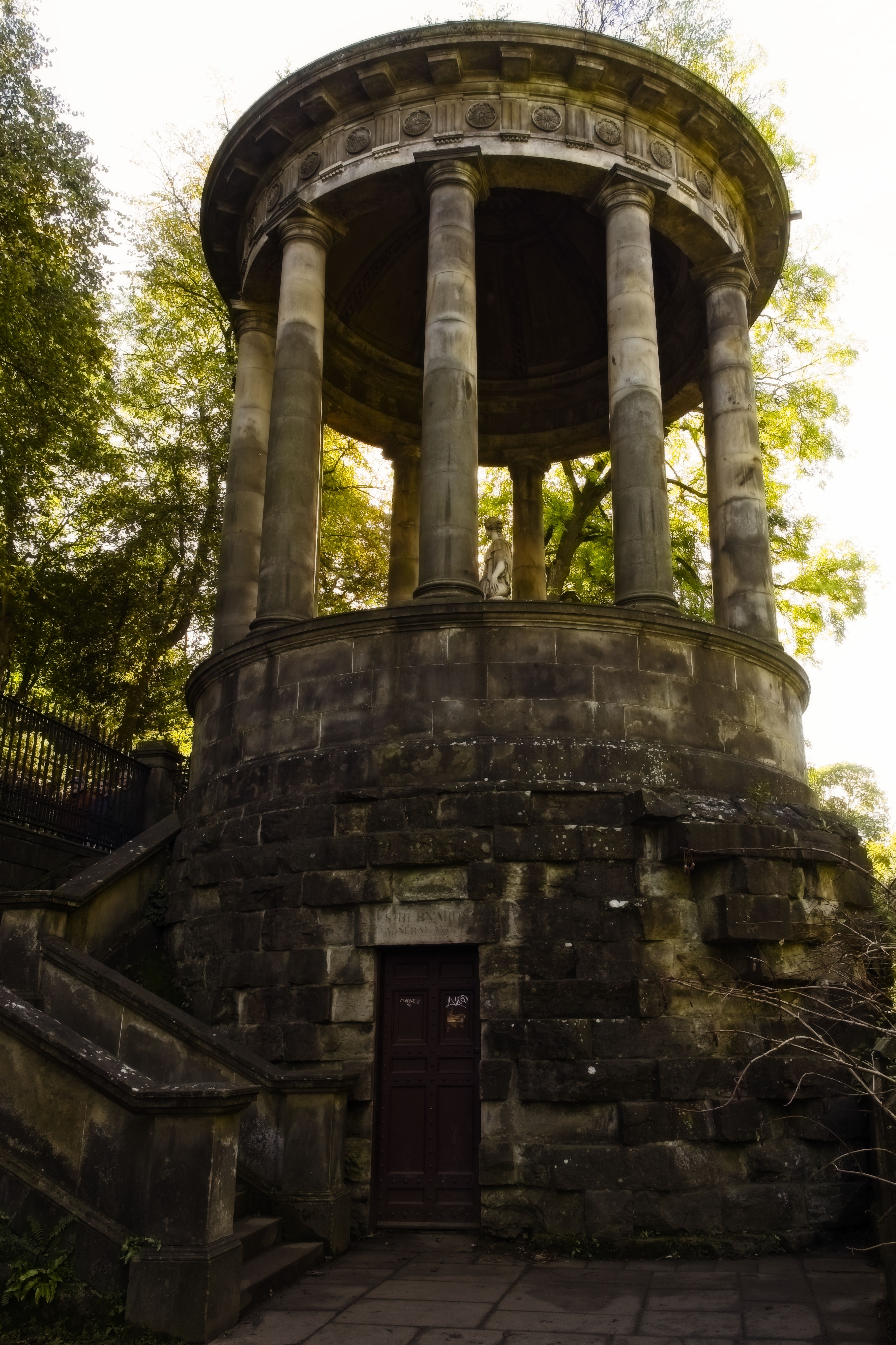
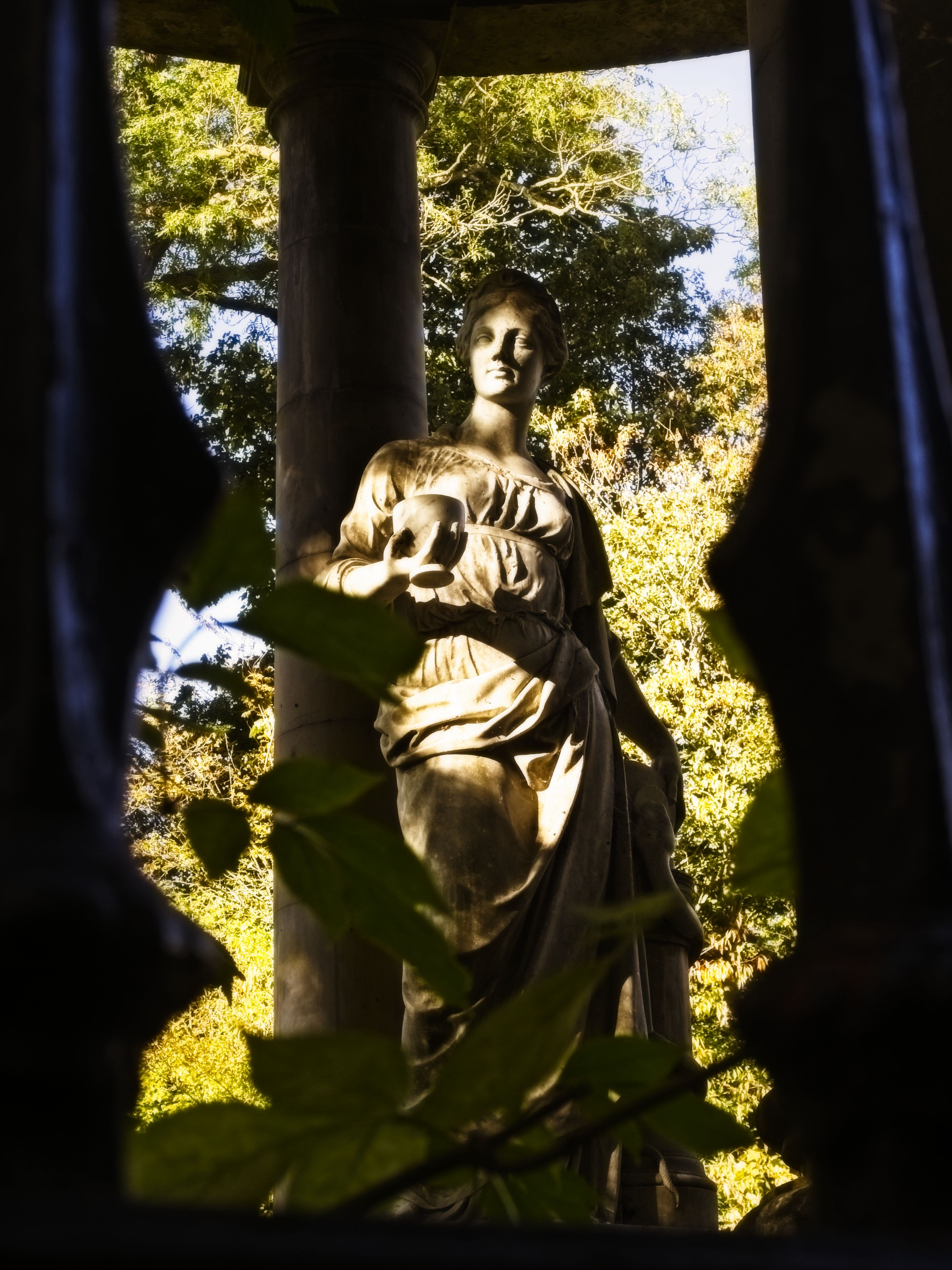
The nearby Royal Botanic Garden of Edinburgh is also worth a visit. You can get there from Stockbridge by taking a short stroll north along the picturesque Water of Leith river. Likewise, Dean Village is a beautiful neighborhood south of Stockbridge, accessible by walking the other direction along the Water of Leith. Along the way, you'll find St Bernard's Well, a classically columned structure housing a statue of the Greek goddess Hygieia.
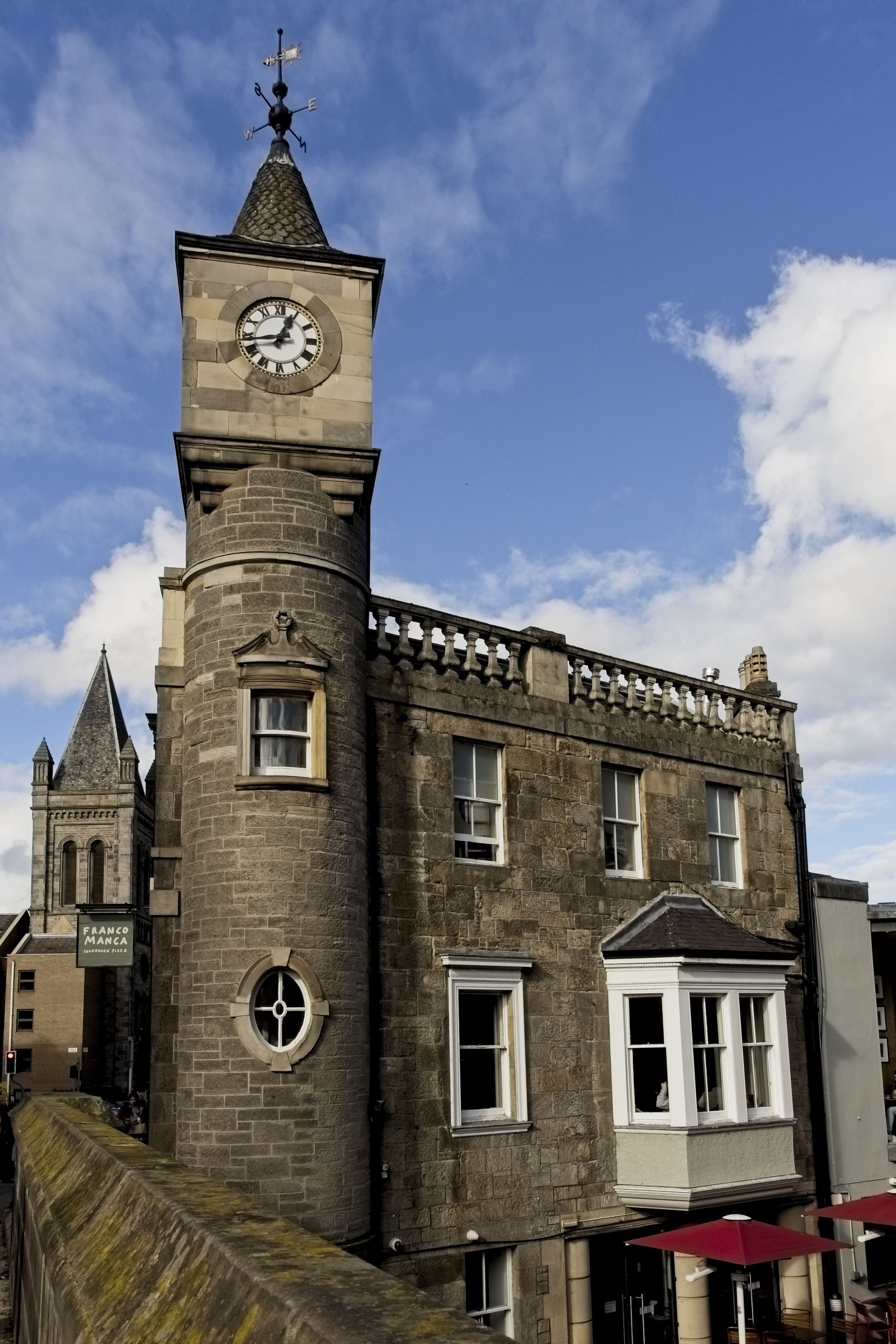
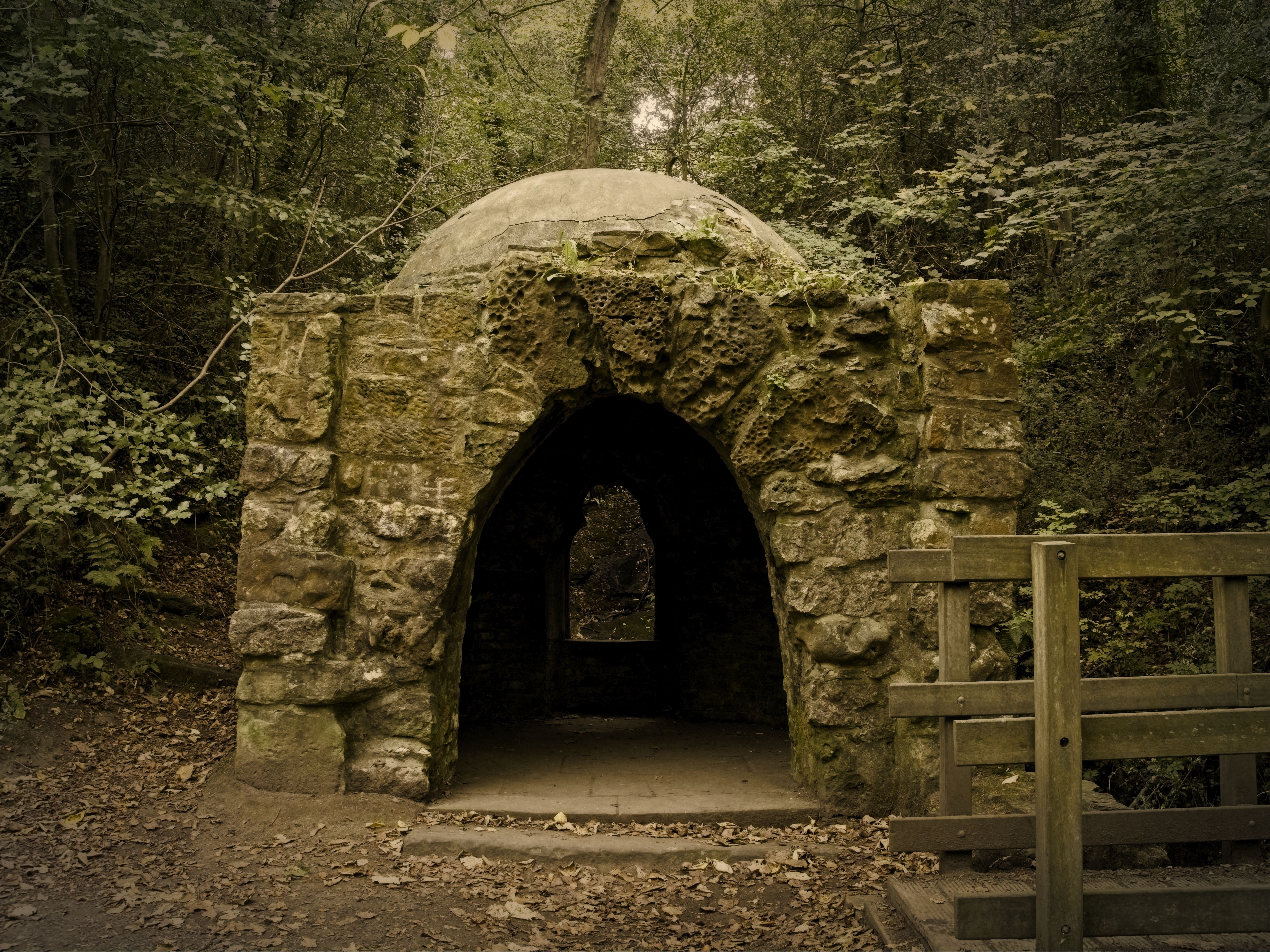
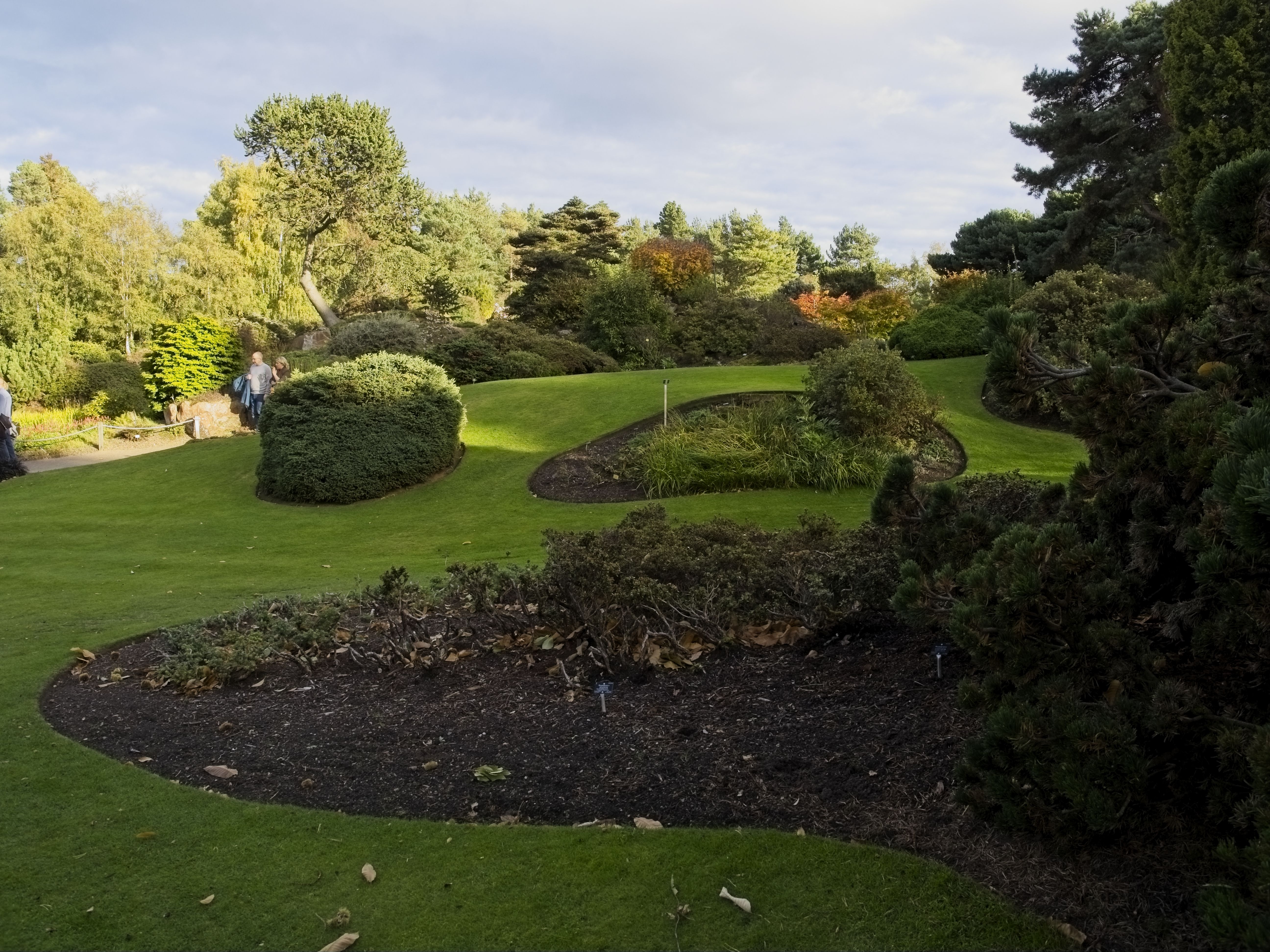
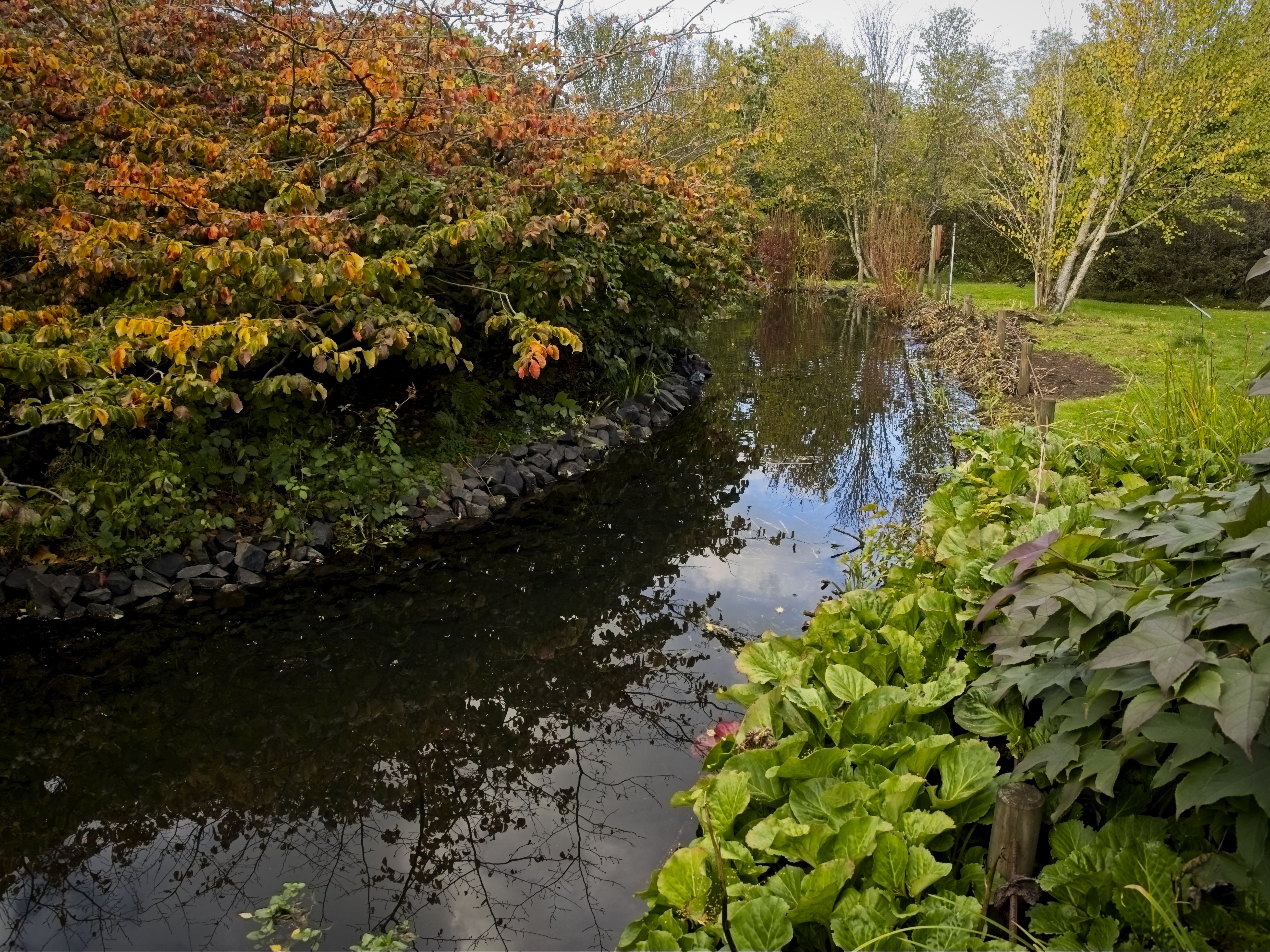
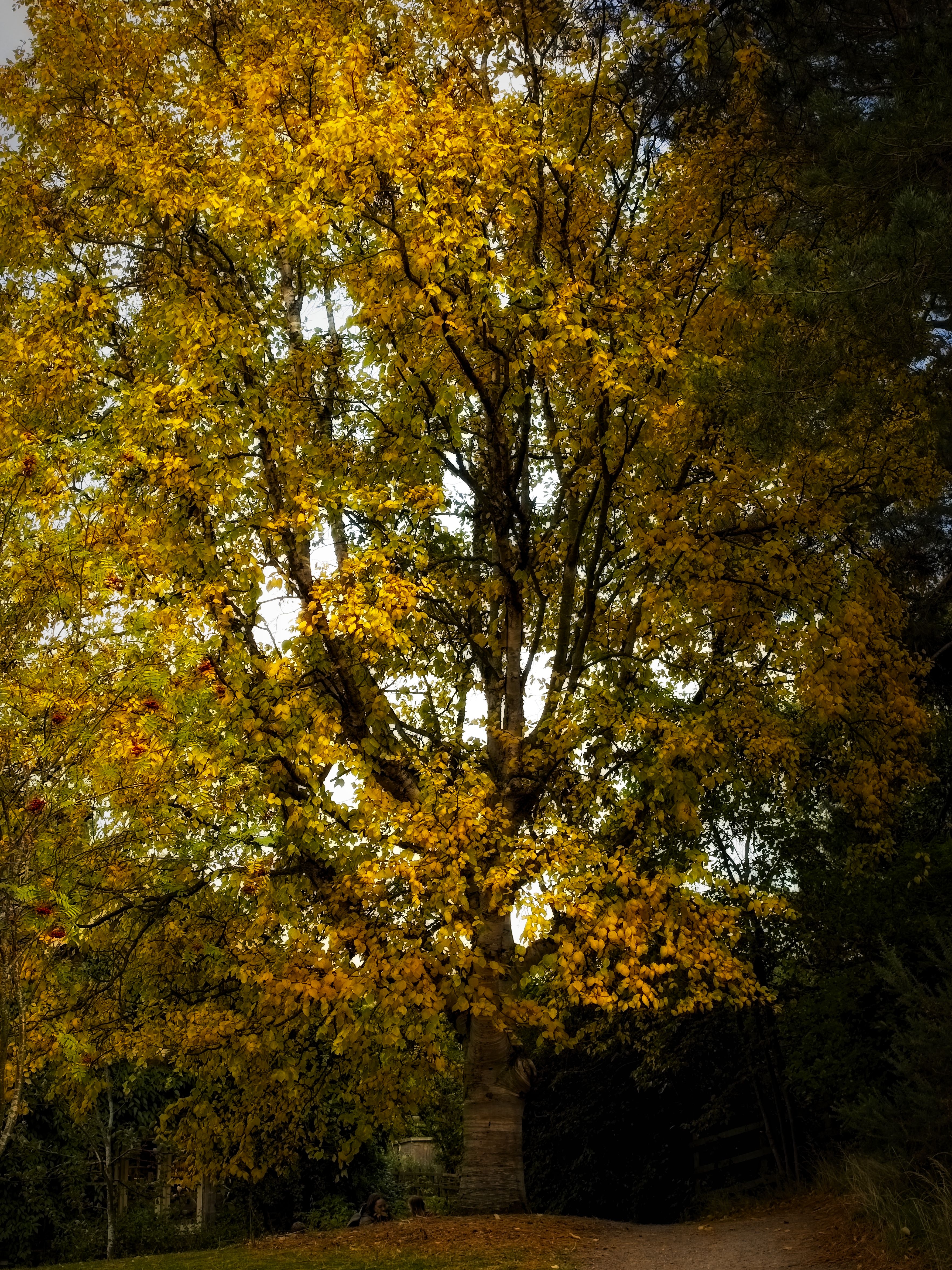
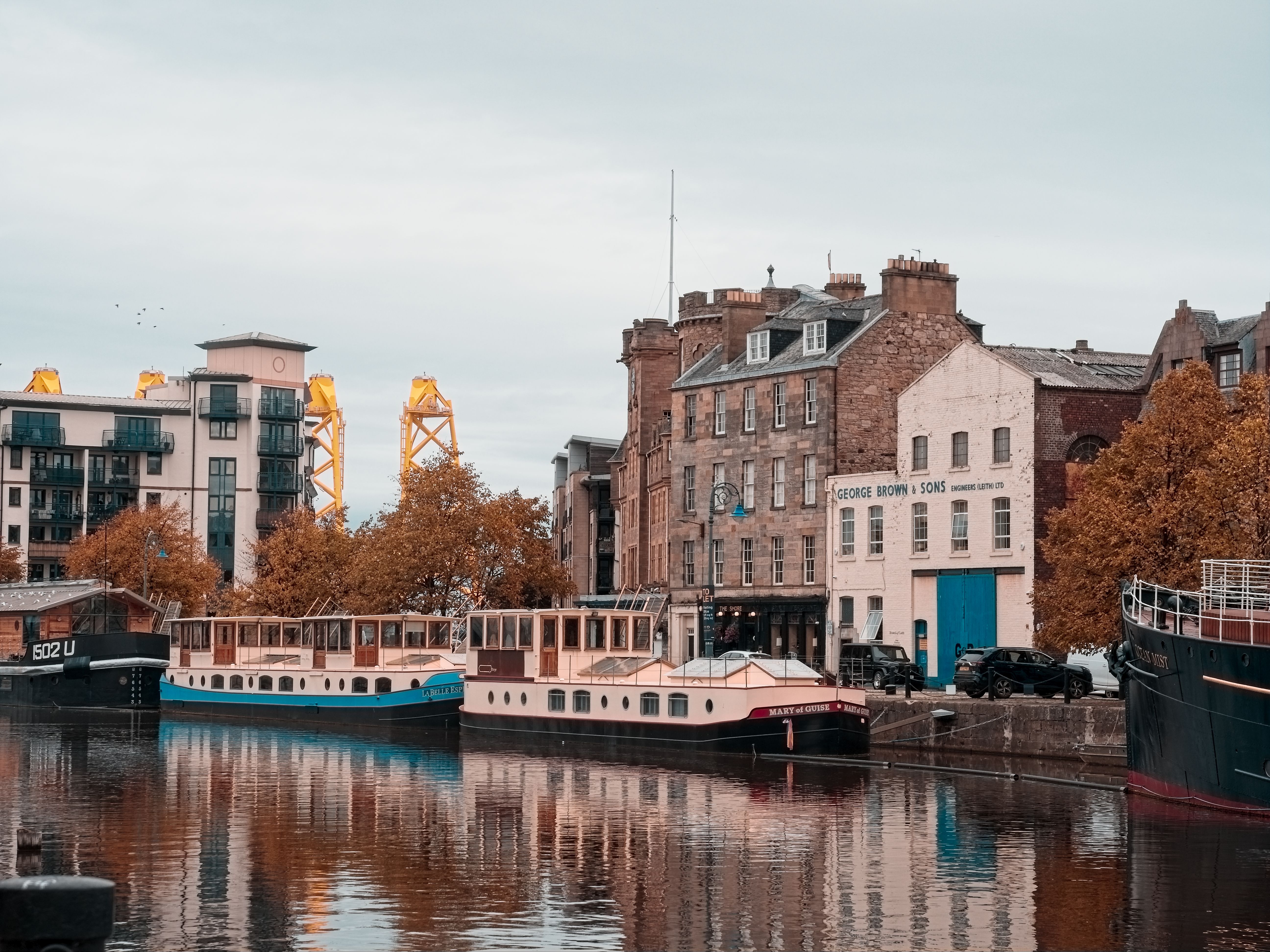
We had time to visit a few other neighborhoods beyond the city center. The neighborhood of Leith felt more like a working class neighborhood situated next to dockyards and featured a more local feel. South Side and Holyrood seemed to cater to a younger crowd and students attending The University of Edinburgh. We also visited the Pickering's Gin distillery located in the Summerhall Arts complex.
Unfortunately, we didn't get to see everything we wanted, because it would take far more than a week or two. Other places worth a visit include Arthur's Seat, a large hill to the east of Old Town, the National Monument of Scotland, Holyrood Palace, and more museums than I can list here. We did take day trips via train to Stirling, Glasgow, and North Berwick. For the sake of brevity, I won't go into detail about each of these excursions in this blog post.
I will miss Edinburgh dearly, and I'm already plotting a return to see more of Scotland, particularly the Scottish Highlands. I feel like we only scratched the surface of what's to see in that wonderful part of the world.